Jediný textový dotaz na Google Gemini spotřebuje přibližně 0,24 watthodiny elektřiny a zhruba 0,26 mililitru vody, asi pět kapek. Srovnatelný dotaz na ChatGPT se pohybuje kolem 0,34 watthodiny, takže Gemini spotřebuje přibližně o 29 % méně energie na jeden dotaz. Tato čísla znějí jako maličkosti, ale vynásobená miliardami dotazů denně se ekologická stopa každodenního používání AI stává velmi reálnou.
Která AI je tedy nejekologičtější a má vůbec smysl přejít na specializovaný „zelený" nástroj AI? Tento průvodce řadí hlavní modely podle spotřeby energie a vody, představuje dedikované ekologické nástroje AI a ukazuje jednu nejúčinnější věc, kterou lze udělat pro snížení vlastní ekologické stopy. Prozrazení: záleží méně na značce loga a více na tom, který model zvolíte.
Klíčové poznatky
- Gemini je nejefektivnější mainstreamová AI, přibližně 0,24 Wh na textový dotaz oproti zhruba 0,34 Wh u ChatGPT.
- Rozdíl v efektivitě mezi modely přesahuje 200násobek, protože náročné modely s hlubokým uvažováním spotřebují mnohem více energie než běžné textové dotazy.
- Volba modelu je váš největší páka. Výběr menšího a efektivnějšího modelu pro jednoduché úkoly sníží spotřebu energie více než jakákoli změna aplikace.
- Specializované zelené nástroje AI jako Ecosia AI Chat, GreenPT a Viro přidávají obnovitelné zdroje, sázení stromů nebo úspory výpočetní kapacity, ale kompenzace není totéž co efektivita.
- Multimodelová aplikace Fello AI umožňuje přiřadit každý úkol nejúspornějšímu modelu, který si s ním poradí, a to je praktický způsob, jak zůstat ekologický bez ztráty výkonu.
Co dělá AI ekologickou?
Ekologická AI je taková, která podá užitečnou odpověď při co nejnižší spotřebě energie, vody a uhlíku na dotaz. Tři čísla vyprávějí celý příběh: elektřina měřená ve watthodinách, voda spotřebovaná k chlazení datových center v mililitrech a emise uhlíku v gramech ekvivalentu CO₂. Čím nižší jsou všechny tři hodnoty pro daný úkol, tím zelenější AI je.
V tomto prostoru existují dvě cesty k „zelené" AI a nejsou totéž. První je skutečná efektivita: využití úspornějšího modelu a infrastruktury napájené obnovitelnou energií, takže každý dotaz jednoduše stojí méně. Druhá je kompenzace: poskytovatel sází stromy nebo financuje čistou energii, aby vyrovnal dopad, který stále vytváří. Obě mají hodnotu, ale efektivita snižuje škody u zdroje, zatímco kompenzace se je snaží vyvážit až poté.
Tento rozdíl je důležitý, protože některé nástroje prezentované jako ekologické jsou ve skutečnosti standardní modely s přidaným předplatným sázení stromů. To není špatná věc, ale stojí za to vědět, za co přesně platíte. Úplný přehled toho, odkud ekologická stopa AI pochází, najdete v našem průvodci kolik energie AI spotřebuje.
Která AI je nejekologičtější? Srovnání modelů
Nejenergeticky efektivnější mainstreamová AI je Google Gemini. Google uvádí, že medián textového dotazu spotřebuje přibližně 0,24 Wh energie, 0,26 ml vody a emituje 0,03 gramu CO₂e. ChatGPT se pohybuje výše, přibližně 0,34 Wh na dotaz, jak potvrdilo vlastní vedení OpenAI, takže Gemini spotřebuje přibližně o 29 % méně energie na dotaz.
Důležitější je však rozptyl mezi modely. Standardní textové dotazy jsou levné, ale modely s hlubokým uvažováním, které před odpovědí „přemýšlejí", a generátory obrázků nebo videa mohou spotřebovat dramaticky více. Celkový rozdíl v efektivitě mezi modely přesahuje 200násobek. Výběr správného modelu pro daný úkol proto ušetří mnohem více než pečlivé vybírání značky.
| Model AI | Energie na textový dotaz | Voda na dotaz | CO₂ na dotaz | Ekologické poznámky |
|---|---|---|---|---|
| Google Gemini | ~0,24 Wh | ~0,26 ml | ~0,03 g | Nejefektivnější mainstreamový model; Google hlásí strmý meziroční pokles |
| ChatGPT | ~0,34 Wh | Plně nezveřejněno | Nízké, nezveřejněné | Vyšší spotřeba energie; Gemini spotřebuje přibližně o 29 % méně na dotaz |
| Claude | Nezveřejněno | Nezveřejněno | Nezveřejněno | Anthropic spoléhá na poskytovatele cloudů zaměřené na obnovitelné zdroje; v jedné studii efektivity z roku 2026 bylo hodnocení vysoké |
| DeepSeek | Nižší na token | Nezveřejněno | Nižší | Úspornější architektura trénovaná s malým rozpočtem, menší stopa na token |
| Malé nebo destilované modely | Výrazně nižší | Výrazně nižší | Výrazně nižší | U mnoha každodenních úkolů dosahují kvality mnohem větších modelů |
Krátká poznámka k prázdným polím. Anthropic nezveřejnil údaje o spotřebě energie ani vody na dotaz pro Claude, přestože uvádí, že spolupracuje s poskytovateli cloudů upřednostňujícími obnovitelnou energii. OpenAI sdílel odhad spotřeby energie pro ChatGPT, ale jasný oficiální údaj o vodě nezveřejnil. Každé jednotlivé číslo berte jako momentku, protože poskytovatelé neustále aktualizují infrastrukturu a nejnovější generace modelů jsou výrazně efektivnější než loňské.
Proč AI není vždy ekologická?
AI sama o sobě není pro planetu škodlivá, ale měřítko mění vše. Trénování pokročilého modelu spotřebuje obrovské množství elektřiny po dobu týdnů výpočtů a každý následující dotaz čerpá z datových center, která potřebují jak síťový proud, tak vodu pro chlazení. Pár kapek vody na dotaz samo o sobě nic neznamená, ale v miliardách denních dotazů se to mění ve znatelnou zátěž pro místní zdroje.
Největší náklady přinášejí ty nejnáročnější úkoly. Požádat AI o vygenerování videa, hluboké víceúrovňové uvažování nebo vytvoření série obrázků může stát mnohonásobně více než jednoduchý textový dotaz. Proto záleží méně na tom „která AI" a více na tom „který režim", a proto celý obrázek rozebíráme v článku je AI špatná pro životní prostředí.
Nejlepší ekologické nástroje AI a chatboty
Kromě velkých modelů se na udržitelnost zaměřuje i hrstka specializovaných nástrojů. Dělí se do dvou skupin: platformy s důrazem na efektivitu, které snižují výpočetní náklady u zdroje, a chatboty zaměřené na kompenzace, které za každý rozhovor sázejí stromy nebo nakupují čistou energii. Zde jsou ty nejznámější.
| Nástroj | Jak je ekologický | Zdarma? | Nejlepší pro |
|---|---|---|---|
| Ecosia AI Chat | Nezisková organizace; využívá menší efektivní modely, vyhýbá se generování videa a z výnosů financuje sázení stromů | Zdarma | Každodenní ekologické vyhledávání a chat |
| GreenPT | Hostování v EU na obnovitelné energii; komprese a kvantizace snižují výpočetní náklady o 20 až 30 % | Placené | Soukromí a ukládání dat v Evropě |
| Viro (ViroGPT) | Multimodelový chat, kde každá zpráva financuje ověřené projekty větrné, solární energie a úložišť | Freemium | Chat ve stylu ChatGPT s vestavěnými kompenzacemi |
| EcoGPT | Open-source modely na energeticky úsporné LPU infrastruktuře Groq a jeden strom za každých 100 zpráv | Freemium | Sledování ekologické stopy AI při chatu |
| EcoChat | Provozováno na obnovitelné energii a při každém chatu sází stromy | Freemium | Chatování bez výčitek |
| ChatGPTree | Propojuje předplatné AI s ověřeným sázením stromů přes partnery jako Veritree | Placené | Kompenzace stávajících návyků s AI |
Ecosia AI Chat je nejlepší bezplatnou možností. Berlínská nezisková organizace směřuje zisky do zalesňování a záměrně využívá úspornější modely, což odpovídá přístupu efektivita na prvním místě, nikoli pouhé kompenzace. GreenPT je v oblasti efektivity nejpřehledněji dokumentovaný a tvrdí reálné snížení výpočetních nároků díky kompresi. EcoGPT je zajímavý hybrid, který provozuje úsporné open-source modely na efektivní infrastruktuře Groq a za každých 100 zpráv zasadí strom. Naše recenze EcoGPT zkoumá, zda tato tvrzení o dopadu obstojí. Na straně kompenzací naše recenze Viro AI mapuje multimodelový chatbot, který za každou zprávu financuje ověřené projekty větrné, solární energie a úložišť. Tyto nástroje zaměřené na kompenzace jsou legitimní, jen mějte na paměti, že zasazený strom nevymaže watthodiny, které dotaz již spotřeboval.
Pokud chcete širší přehled alternativ ChatGPT pro Apple hardware, náš přehled nejlepších alternativ ChatGPT pro Mac se multimodelových aplikacím věnuje do hloubky.
Jak využívat AI ekologičtěji
Dobrá zpráva je, že ty nejúčinnější změny jsou zároveň nejsnazší. Není třeba opouštět oblíbeného asistenta, abyste výrazně snížili svou stopu, stačí ho používat záměrněji. Začněte přiřazením modelu k úkolu: malý a rychlý model zvládne každodenní dotazy za zlomek energie, kterou spotřebuje těžký model s hlubokým uvažováním.
Několik návyků se pak rychle násobí. Vypněte režim uvažování a generování médií pro jednoduché dotazy, protože tam jde skutečná energie. Sdružte příbuzné dotazy do jednoho sezení místo posílání desítek samostatných zpráv a znovu využívejte výstupy místo jejich opětovného generování. Kde to jde, upřednostňujte modely a poskytovatele provozované na obnovitelné energii, jako je Gemini nebo výše zmíněné nástroje s důrazem na efektivitu.
Nejtěžší část celého tohoto přístupu je mít přístup k více než jednomu modelu, abyste si mohli skutečně vybrat ten úspornější. A právě zde se multimodelové prostředí vyplatí, jak pro ekologickou stopu, tak pro peněženku.
Jak vám Fello AI pomáhá zůstat ekologičtí
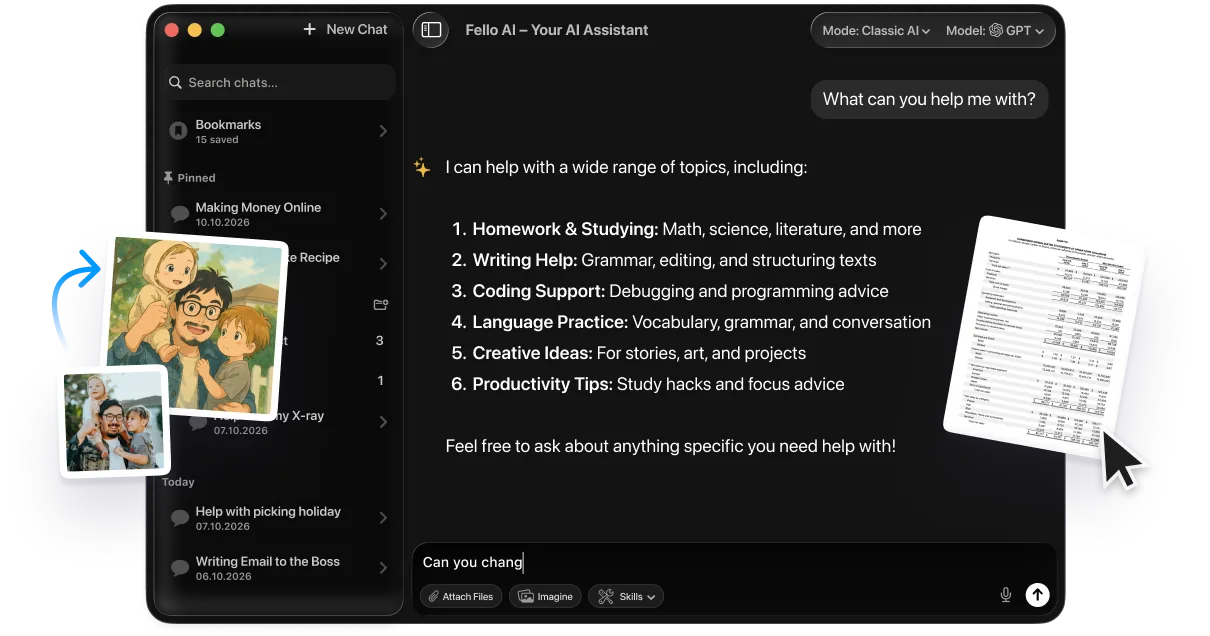
Největší ekologická páka je výběr správného modelu pro každý úkol, a to funguje pouze tehdy, když máte přístup k více než jednomu. Fello AI spojuje ChatGPT, Claude, Gemini, Grok a DeepSeek v jedné nativní aplikaci pro Mac a iPhone, takže rychlý dotaz lze poslat úspornému efektivnímu modelu a výkonné modely s hlubokým uvažováním rezervovat pro případy, kdy je skutečně potřebujete.
Tato flexibilita je také důvodem, proč to ekonomicky dává smysl. Místo placení za několik samostatných předplatných a spoléhání na to, co vám každá aplikace sama vnutí, získáte jednu cenu a svobodu zvolit nejzelenější nástroj pro danou práci. Pro každodenní dotazy lze spoléhat na efektivní modely a pro vzácný náročný úkol zapnout větší výkon záměrně, ne náhodou.
Je to čestný kompromis. Žádná spotřebitelská aplikace AI nemá nulový dopad, ale záměrný výběr je lepší než výčitky i než greenwashing. Jak to funguje, se dozvíte na stránce Začínáme s Fello AI, nebo porovnejte jednotlivé modely v našem průvodci nejlepší modely AI.
Závěr
Pokud hledáte dnes nejzelenější mainstreamovou AI, vede Gemini na základě zveřejněných čísel, přičemž DeepSeek a malé destilované modely jsou silnou volbou pro lehčí úkoly. Pokud chcete nástroj postavený kolem udržitelnosti, Ecosia AI Chat je nejlepší bezplatná volba a GreenPT je nejpřehledněji dokumentovaný v oblasti efektivity. Ale skutečný zisk je v chování: přiřaďte model k úkolu a vyhněte se náročným režimům, které nepotřebujete. A pokud byste raději, aby vaše každodenní vyhledávání financovalo úklid než provoz modelu, vyhledávač OceanHero sbírá oceánský plastový odpad s každým dotazem.
Nejpraktičtější řešení je takové, které vám dává možnost volby. Multimodelová aplikace jako Fello AI mění „vyberte efektivní model" z pěkného nápadu na zvyk jedním klepnutím, což je lepší pro planetu i pro peněženku zároveň.
Časté dotazy
Která AI je nejekologičtější?
Z mainstreamových modelů je Google Gemini nejenergetičtěji efektivní, spotřebuje přibližně 0,24 watthodiny na textový dotaz oproti zhruba 0,34 u ChatGPT. Ze specializovaných nástrojů je Ecosia AI Chat přední bezplatnou ekologickou volbou.
Která AI spotřebuje nejméně energie?
Gemini vede mezi velkými asistenty a malé nebo destilované modely spotřebují ještě výrazně méně. Protože rozdíl v efektivitě mezi modely může přesáhnout 200násobek, záleží více na volbě modelu a režimu než na značce.
Existuje bezplatná ekologická AI?
Ano. Ecosia AI Chat je zdarma a funguje jako nezisková organizace, která financuje sázení stromů a využívá úspornější modely. EcoChat a Viro také nabízejí bezplatné verze se závazky k životnímu prostředí.
Proč AI není ekologická?
Velké modely jsou náročné na energii a vodu. Trénování spotřebovává obrovské množství elektřiny a každý dotaz závisí na datových centrech, která potřebují síťový proud a vodu pro chlazení, takže dopad roste s využíváním.
Jsou ekologické chatboty AI jen greenwashing?
Některé mají větší obsah než jiné. Nástroje s důrazem na efektivitu, které snižují výpočetní náklady u zdroje, jako GreenPT, přímo snižují dopad, zatímco chatboty zaměřené na kompenzace vyrovnávají dopad, který stále vytvářejí. Obojí má smysl, pokud víte, co kupujete.