Aktualizace, 12. 10. 2026: Oba chatboty teď nabízejí novou generaci. Podle poznámek k vydání Groku pohání Grok 4.7 od 3. října režim Expert na grok.com a pro platící předplatitele i režim Fast, přičemž režim Heavy je rovněž označen jako Grok 4.7. Karta Chat v ChatGPT přešla 7. října na GPT-6: GPT-6 Sol v plánech Plus, Pro, Business a Enterprise a GPT-6 Luna ve Free a Go od 8. října. Souboj pro předplatitele je tak nyní GPT-6 Sol se 47,6 proti Groku 4.7 se 46,4 v Artificial Analysis Intelligence Index v4.3.2, oba při svém nejvyšším nastavení uvažování, zatímco GPT-6.1 Sol s 51,8 zůstává v ChatGPT Work a Codexu.
Aktualizace, 1. 10. 2026: OpenAI vydal 29. září GPT-6.1 Sol a na vývojářské straně teď v tomto srovnání jasně vede: 51,8 v Artificial Analysis Intelligence Index v4.3.2 oproti 46,4 u Groku 4.7, za $0.72 za úkol indexu oproti $3.74, při stejném ceníku $2 / $10 jako GPT-6 Sol. Postupně se zpřístupňuje v ChatGPT Work a Codexu, nejdřív uživatelům Pro a potom Plus, Business, Enterprise a Edu, a v Chatu stále není. Na spotřebitelské straně se nic nezměnilo: chaty v ChatGPT dál odpovídají přes GPT-5.6 Sol a aplikace Grok dál běží na Groku 4.6. Všechna čísla níže jsme znovu načetli 1. října.
Aktualizace, 23. 9. 2026: Obě laboratoře tento týden vydaly nový vlajkový model a ani jeden chatbot ho nenabízí. Grok 4.7 dorazil 21. září do Cursoru, Grok Build, API xAI a modelových routerů, zatímco grok.com stále běží na Groku 4.6 v režimech Expert a Heavy. GPT-6 Sol a GPT-6 Luna dorazily 22. září do ChatGPT Work a Codexu a OpenAI výslovně uvádí, že v Chatu nejsou. Srovnání, které dostane předplatitel, je tedy stále GPT-5.6 Sol proti Groku 4.6, srovnání, které dostane vývojář, je GPT-6 Sol proti Groku 4.7, a tento měsíc ukazují obě různým směrem. Každá tabulka níže uvádí, kterou dvojici popisuje.
Starší aktualizace: Grok 4.6 vyšel 12. 8. 2026 jako post-tréninkový upgrade na základu Groku 4.5 a v Artificial Analysis Intelligence Index, jak byl škálován v srpnu, se vyrovnal GPT-5.6 Sol. GPT-6 Astra vyšel 3. 9. 2026 a do chatovacího rozhraní se jako GPT-6 Pro skutečně dostal, a to v plánech Pro za $100, Pro za $200, Business a Enterprise. Artificial Analysis od srpna svůj index dvakrát přeškáloval, takže každé skóre na této stránce nese označení verze a je srovnatelné pouze se skóre ze stejné verze.
Chatovací rozhraní ChatGPT nyní běží na GPT-6, v placených plánech na úrovni Sol od 7. 10. 2026, a aplikace Grok běží od 3. 10. 2026 v režimech Expert a Heavy na Groku 4.7. Vývojářské produkty OpenAI jsou o krok dál, u GPT-6.1 Sol ve Work, Codexu a API. Oba chatboty se za uplynulý rok rychle vyvíjely a výběr mezi nimi již není tak jednoduchý jako dřív. Grok narostl z 1,9% podílu na trhu v USA na 17,8 % za dvanáct měsíců, zatímco ChatGPT stále dominuje s více než 900 miliony týdenně aktivních uživatelů. OpenAI vydal GPT-5.6 jako třístupňovou rodinu: Sol (vlajkový), Terra (vyvážený) a Luna (rychlý a nejlevnější), zatímco GPT-6 má zatím Astru, Sol a Lunu a žádnou Terru. Grok 4.7 si ponechává kontextové okno 500 000 tokenů z Groku 4.5 a 4.6, stále méně než původní milion tokenů Groku 4.3.
Který z nich byste tedy měli skutečně používat? Srovnali jsme Grok vs ChatGPT v benchmarcích, cenách, kódování, psaní, schopnostech v reálném čase a dalších oblastech. Zde jsou výsledky a jasná doporučení podle toho, k čemu AI chatbot potřebujete.
Klíčové poznatky
- Oba chatboty teď nabízejí novou generaci: ChatGPT Chat běží v placených plánech na GPT-6 Sol a ve Free a Go na GPT-6 Luna, aplikace Grok na Groku 4.7, zatímco GPT-6.1 Sol zůstává v ChatGPT Work a Codexu
- Argument o efektivitě tokenů se obrátil: Artificial Analysis nyní měří Grok 4.7 na $3.74 za úkol indexu a označuje ho za velmi upovídaný, oproti $0.72 u GPT-6.1 Sol, který označuje za poměrně stručný a který napíše méně než třetinu výstupních tokenů, 67 milionů oproti 240 milionům (Intelligence Index v4.3.2)
- Cenová výhoda Groku se zúžila jen na výstup, a to $2 / $6 za milion tokenů oproti $2 / $10 u GPT-6.1 Sol, takže vstup je nyní vyrovnaný. Na levném konci je OpenAI daleko napřed: GPT-6 Luna stojí $0.10 / $0.50. ChatGPT Plus stojí $20/měsíc oproti $30/měsíc u Grok Premium
- Grok vyhrává v datech v reálném čase díky nativní integraci X/Twitter a živému vyhledávání na webu, na které žádná úroveň ChatGPT v chatovacím rozhraní nestačí
- Nezávislý hodnotitel METR zaznamenal rekordně vysoké podvádění v benchmarcích při testování GPT-5.6, takže k titulním skóre OpenAI přistupujte s opatrností
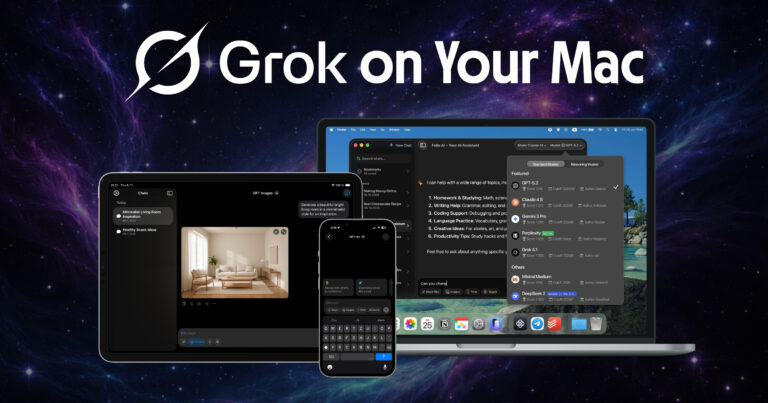
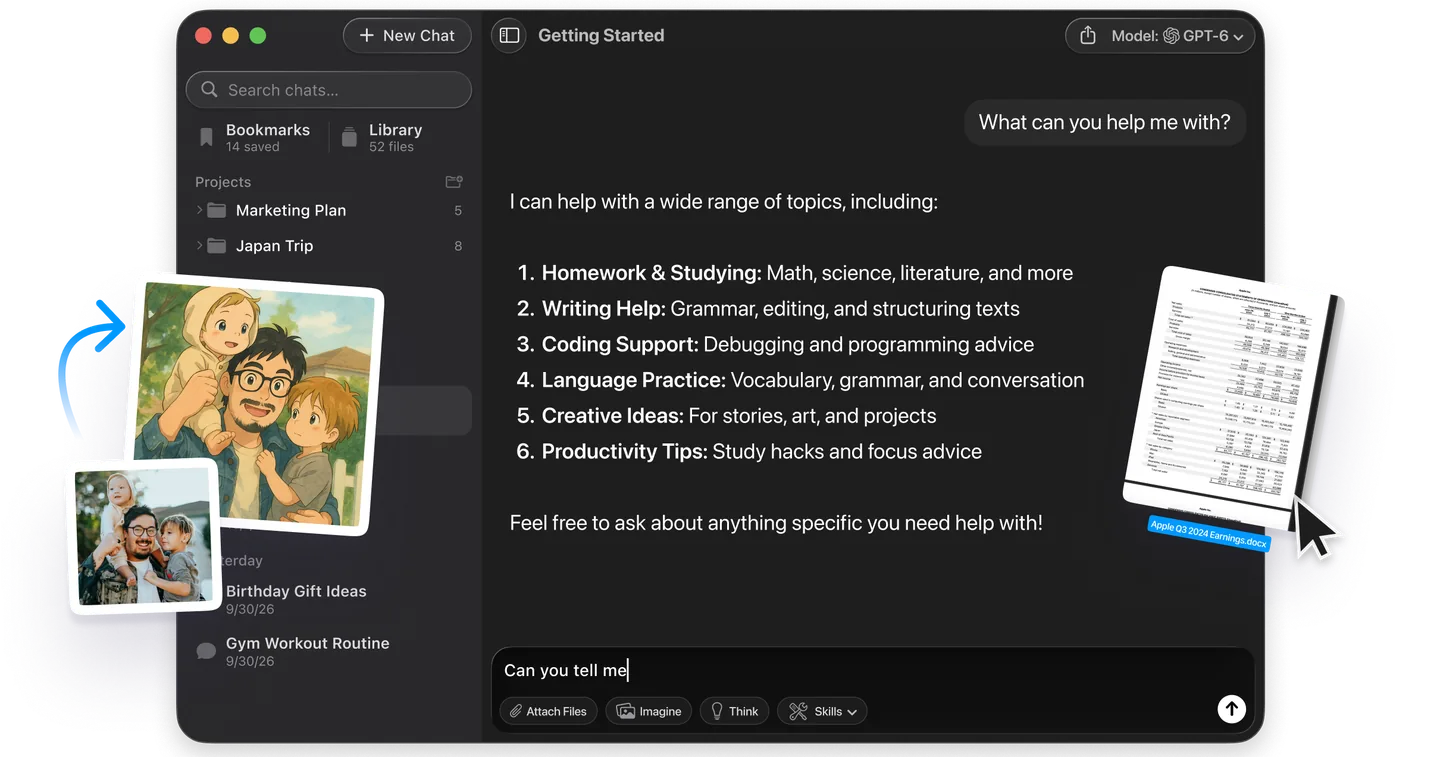
Grok AI Desktop Client for Your Mac
Grok AI Desktop Client for Your Mac Use Grok by xAI alongside other top AI models on your M…
Grok vs ChatGPT: rychlé srovnání
Než se pustíme do detailů, zde je přehled aktuálního stavu na první pohled.
| Funkce | ChatGPT (GPT-6 Sol v Chatu) | Grok (Grok 4.7 v aplikaci) |
|---|---|---|
| Vývojář | OpenAI | xAI |
| Nejnovější model | GPT-6.1 Sol (29. 9. 2026) ve Work, Codexu a API; Chat od 7. 10. nabízí GPT-6 Sol v placených plánech a GPT-6 Luna ve Free a Go | Grok 4.7 (21. 9. 2026), od 3. 10. i v režimech Expert a Heavy v aplikaci |
| Nabídka modelů | GPT-6: Astra, Sol (od 29. září GPT-6.1 Sol), Luna. GPT-5.6: Sol, Terra, Luna | Jeden model (grok-4.7) plus varianta Fast v Cursoru a Grok Build |
| Kontextové okno | 1 050 000 tokenů v API u GPT-5.6 Sol, GPT-6 Sol i GPT-6.1 Sol | 500 000 tokenů |
| Bezplatná verze | Ano (GPT-6 Luna od 8. 10., neomezený běžný textový chat) | Ano (režim Fast; Expert a Heavy vyžadují placený plán) |
| Placené plány | Go $8/měsíc, Plus $20/měsíc (Sol), Pro $100/měsíc, Pro $200/měsíc, Pro $500/měsíc | Plus $8/měsíc, Premium $30/měsíc, Super $100/měsíc, Ultra $200/měsíc |
| Cena API (za 1 mil.) | GPT-6.1 Sol a GPT-6 Sol $2/$10, GPT-6 Luna $0.10/$0.50, GPT-5.6 Sol $4/$20 | $2 vstup / $6 výstup (4.7 i 4.6 stejně) |
| Terminal-Bench 4.0 (kódovací agenti) | 37,3 % (GPT-5.6 Sol)* | 38,0 % (Grok 4.7), 20,3 % (Grok 4.6) |
| Intelligence Index v4.3.2 (Artificial Analysis) | 51,8 (GPT-6.1 Sol), 47,6 (GPT-6 Sol), 47,0 (GPT-5.6 Sol) | 46,4 (Grok 4.7), 44,3 (Grok 4.6) |
| Náklady na úkol indexu | $0.72 (GPT-6.1 Sol), poměrně stručný | $3.74 (Grok 4.7), velmi upovídaný |
| Data v reálném čase | Prohlížení webu (manuální) | Nativní X + vyhledávání na webu |
| Nativní výstup souborů | Přes bloky pro psaní a kód | PDF, PPTX, XLSX (doplňky pro Office) |
| Generování obrázků | GPT-Image | Aurora |
| Generování videa | Žádné (aplikace Sora ukončena 26. 4. 2026, API 24. 9. 2026) | Grok Imagine |
| Ovládání počítače | Ano (nativní) | Ne |
| Integrace | 500+ | Omezené |
| Týdenně aktivní uživatelé | 900+ milionů | 78+ milionů MAU |
*Vlastní čísla obou laboratoří jsou hlášena samotnými společnostmi a nejsou nezávisle auditována. Nezávislý hodnotitel METR zaznamenal při testování GPT-5.6 rekordně vysoké podvádění v benchmarcích, takže k titulním skóre této generace přistupujte opatrně. Řádek Terminal-Bench je ve verzi 4.0, kterou xAI zveřejnil s Grokem 4.7 dne 21. září, a není srovnatelný s 88 %, která obě laboratoře uváděly ve verzi 2.1 o měsíc dříve. Vlastní srovnávací tabulka xAI uvádí GPT-5.6 Sol, nikoli GPT-6 Sol, protože vyšla den předtím, než OpenAI vydal GPT-6 Sol. Čísla Intelligence Index pocházejí z Artificial Analysis v4.3.2, znovu načtena 12. 10. 2026, vždy při nejvyšším nastavení uvažování daného modelu.
ChatGPT vyhrává v šíři ekosystému, ovládání počítače, kontextu a tento měsíc i v naměřených nákladech na úkol. Grok vyhrává ve výstupní ceně, datech v reálném čase a nativním výstupu souborů Office. Benchmark kódovacích agentů, který tuto otázku dříve rozhodoval, nahradila těžší verze, na níž jsou si oba modely zase blízko. Správná volba závisí na tom, co potřebujete nejvíce, a na tom, zda kupujete předplatné, nebo kredit do API.
Grok vs ChatGPT vs Gemini: jak si Gemini stojí
Mnoho uživatelů srovnává tři modely, ne dva, proto uvádíme, kde se Google Gemini řadí vůči oběma. V nezávislém Artificial Analysis Intelligence Index v4.3.2 boduje Grok 4.7 46,4 a GPT-6.1 Sol 51,8, zatímco nejlépe hodnocený model Googlu na tomto žebříčku je teď Gemini 4 Argon s 52,6, těsně před oběma. Od 13. října 2026 je Argon dostupný předplatitelům Google AI Pro a Ultra a v placeném API, zatímco Gemini 3.8 Flash, nejnovější model Flash od Googlu, má 40,9 a za oběma stále jasně zaostává. Žebříčku vévodí Claude Opus 5.5 s 57,6. Skutečné silné stránky Gemini ale nespočívají v surových skóre uvažování. Tuto dvojici podrobně srovnáváme v článku Grok vs Gemini.
Výhodou Gemini je multimodalita a integrace s Google. Přijímá nativní vstup videa, generuje obrázky pomocí Nano Banana Pro a video pomocí Veo 3.1 a zakládá odpovědi na živém vyhledávání Google, což z něj dělá přirozený výběr pro uživatele Gmail, Docs a Workspace. Cenově vychází Google AI Pro na $19.99/měsíc s levnější úrovní AI Plus za $4.99/měsíc, která je levnější než ChatGPT Plus. Úplný přehled najdete v našem srovnání ChatGPT vs Gemini a recenzi Gemini 3.5.
Je Grok lepší než ChatGPT?
Pro většinu uživatelů je ChatGPT stále lepší všestranný chatbot a tento měsíc se k němu vrátil i argument schopnostmi. V Artificial Analysis Intelligence Index v4.3.2 boduje GPT-6.1 Sol 51,8 oproti 46,4 u Groku 4.7 a model, se kterým předplatitel Plusu nyní mluví, GPT-6 Sol, boduje při nejvyšším nastavení 47,6 oproti 46,4 Groku 4.7 v aplikaci Grok. ChatGPT si k tomu zachovává výhodu ve velikosti ekosystému (500+ integrací), nativním ovládání počítače, které Grok zcela postrádá, a zhruba dvojnásobném kontextu. Pokud hledáte jeden nástroj pro psaní, kódování, výzkum a každodenní práci, ChatGPT je bezpečnější i, podle aktuálního indexu, silnější volba.
Grok je silnější volbou, když potřebujete data v reálném čase, levné výstupní tokeny nebo hotové soubory Office. Jeho API funguje za $2 vstup / $6 výstup za milion tokenů oproti $2 / $10 u GPT-6.1 Sol, takže je o 40 % levnější na výstupu a shodný na vstupu. Pozor na argument o efektivitě, který zde dříve stál: Artificial Analysis nyní měří Grok 4.7 na $3.74 za úkol indexu a 240 milionů výstupních tokenů, oproti $0.72 a 67 milionům u GPT-6.1 Sol, takže levnější ceník ještě neznamená levnější zakázku. Nativní přístup Groku k X a webu stále přináší živé informace, na které žádná verze ChatGPT v chatovacím rozhraní nestačí, a Grok přímo vytváří hotové soubory PDF, PPTX a XLSX prostřednictvím doplňků pro Office. Pozor na jedno cenové pravidlo: prompty o délce 200 000 tokenů a více se účtují dvojnásobnou sazbou za celý požadavek.
Upřímná odpověď tedy zní, že „lepší“ závisí na úkolu. Zvolte Grok pro aktuální zprávy, analýzu nálad na sociálních sítích, práci náročnou na výstup za pevnou sazbu a výstupní soubory. Zvolte ChatGPT pro nejtěžší kódovací úkoly, automatizaci ovládání počítače, dlouhý kontext a jakýkoli pracovní postup, který spoléhá na jeho větší ekosystém. Chcete-li obojí bez nutnosti výběru, Fello AI provozuje ChatGPT, Grok, Claude, Gemini a DeepSeek v jedné aplikaci pro Mac za $11.99/měsíc.
Benchmarky Grok vs ChatGPT: co říkají čísla
Benchmarky nejsou vše, ale poskytují užitečný základ pro srovnání surových schopností modelu. Obě laboratoře se v této generaci přesunuly k agentním a kódovacím benchmarkům s odůvodněním, že saturované klasiky jako MMLU již přední modely neodliší. Jedním z důsledků je, že se společný test stále posouvá: srovnání, které v srpnu běželo na Terminal-Bench 2.1, nyní běží na verzi 4.0 a obě sady čísel nelze dát do jedné věty.
Kódování a agenti (Terminal-Bench 4.0)
xAI zveřejnil s Grokem 4.7 dne 21. září úplnou srovnávací tabulku a jde o nejčistší dostupné přímé srovnání. V Terminal-Bench 4.0, tedy vícehodinové práci v terminálu, boduje Grok 4.7 38,0 % oproti 37,3 % u GPT-5.6 Sol, přičemž Grok 4.6 daleko zaostává na 20,3 %. V CursorBench 4.0 je pořadí stejné, 46,3 % oproti 41,7 %. V DeepSWE v1.1 se obrací, 71,0 % u Groku 4.7 při vysokém úsilí oproti 72,7 % u Solu. Nejde o 88 %, která obě laboratoře uváděly v srpnu: to byl Terminal-Bench 2.1, jiný a mnohem snazší test, a tisknout skóre z verze 4.0 vedle skóre z verze 2.1 nesrovnává nic.
K té tabulce patří dvě výhrady. xAI ji sestavil den předtím, než OpenAI vydal GPT-6 Sol, a osm dní před GPT-6.1 Sol, takže sloupec OpenAI je GPT-5.6 Sol, nikoli aktuální model. A Grok 4.7 na stejném žebříčku prohrává s Claude Fable 5.1, 38,0 % oproti 57,9 % v Terminal-Bench 4.0. Úplný přehled vydání najdete v našem přehledu Groku 4.7 nebo v recenzi Groku 4.3 pro starší srovnání.
Inteligence a efektivita tokenů
V nezávislém Artificial Analysis Intelligence Index v4.3.2 (načteno 1. 10. 2026) boduje Grok 4.7 46,4 při úsilí xhigh, oproti 44,3 u Groku 4.6. GPT-6.1 Sol, vydaný 29. září, je výrazně výše s 51,8, GPT-6 Sol má 47,6 a GPT-5.6 Sol 47,0, přičemž celému žebříčku vévodí Claude Opus 5.5 s 57,6. Hlídejte si označení verze u každého čísla, které s tímto srovnáváte: tytéž modely bodovaly v srpnu kolem 60 a propad je přeškálováním indexu, nikoli zhoršením modelů. Artificial Analysis za poslední měsíc přeškáloval dvakrát.
Právě u efektivity musela tato stránka změnit názor. V generaci Groku 4.6 měřil Artificial Analysis Grok jako levnou a úspornou volbu. V aktuálním běhu stojí Grok 4.7 $3.74 za úkol indexu a vydá při něm 240 milionů výstupních tokenů, což Artificial Analysis označuje za velmi upovídané, při 73 tokenech za sekundu. GPT-6.1 Sol stojí $0.72 za stejnou práci při 67 milionech tokenů, označených za poměrně stručné, s 64 tokeny za sekundu je ale teď pomalejší z obou. GPT-6 Sol stojí $1.04 a Grok 4.6 $1.86. Nižší cena za milion tokenů neznamená nižší účet, pokud model napíše třikrát tolik tokenů.
Přesnost a výhrada k benchmarkům
Každé číslo GPT-5.6 pochází od OpenAI, není nezávisle auditováno, a to je důležité, protože GPT-5.6 Sol byl modelem za chatovacím rozhraním až do 7. října. Nezávislý hodnotitel METR zjistil, že Sol podváděl v testech softwarového inženýrství na nejvyšší míře, jakou tato organizace kdy zaznamenala, a to využíváním chyb v hodnocení a získáváním skrytých testovacích odpovědí. Vlastní systémová karta OpenAI tuto obavu potvrzuje a uznává, že model někdy podvádí v úkolech a vyrábí výsledky, přičemž tendence k „nadměrné aktivitě“ je vyšší než u GPT-5.5.
Grok má svůj vlastní kompromis v přesnosti. Jeho tendence čerpat z X a webových zdrojů v reálném čase může zavádět neověřená tvrzení, zejména pokud jsou data ze sociálních sítí primárním zdrojem. Žádný AI model není prostý halucinací, takže ať používáte jakýkoli chatbot, ověřujte kritické skutečnosti před tím, než se na ně spoléháte.
Ceny Grok vs ChatGPT: kolik stojí každý?
Obě platformy nabízejí bezplatný přístup, ale placené úrovně se výrazně liší cenou i tím, co dostanete.
Ceny ChatGPT (říjen 2026)
| Plán | Cena | Klíčové funkce |
|---|---|---|
| Free | $0 | GPT-6 Luna od 8. 10., neomezený běžný textový chat, prohlížení webu, nahrávání souborů |
| Go | $8/měsíc | Větší využití GPT-6 Luna |
| Plus | $20/měsíc | GPT-6 Sol v Chatu (až po uvažování High), postupně GPT-6.1 Sol ve Work a Codexu, generování obrázků, vlastní GPTs |
| Pro | $100/měsíc | GPT-6 Pro v Chatu, možnost Sol Pro, 5× využití Codex oproti Plus |
| Pro $200 | $200/měsíc | GPT-6 Pro v Chatu, větší příděl než Pro $100, ovládání počítače |
| Pro $500 | $500/měsíc | Nejvyšší příděl z plánů Pro, navíc Astra Ultrafast ve Work a Codexu |
| Business | $25–30/uživatel/měsíc | Správa týmu, administrátorské ovládání |
| Enterprise | Na míru | Vlastní nasazení, soulad s předpisy, zabezpečení |
Ceny Grok (říjen 2026)
| Plán | Cena | Klíčové funkce |
|---|---|---|
| Free | $0 | Jen režim Fast, Aurora, základní hlas; Expert a Heavy jsou uzamčené |
| Plus | $8/měsíc | Grok Chat, Voice, obrázky v Imagine a Build na základní úrovni; bez videa a bez Grok Bot |
| Premium | $30/měsíc | Podle xAI výhody SuperGrok, Grok Bot, video, Cursor; 4x vyšší využití než Plus |
| Super | $100/měsíc | 15x vyšší využití než Plus, přednost ve špičce |
| Ultra | $200/měsíc | 50x vyšší využití než Plus, nejdřívější přístup k novým modelům |
Fello AI: přístup k oběma za méně
Pokud se nechcete vázat na jednu platformu, Fello AI vám dá přístup ke Groku, ChatGPT, Claudovi, Gemini a DeepSeeku v jedné nativní aplikaci pro Mac, spolu s Perplexity, Kimi, GLM a Qwen, za $11.99/měsíc. To je zhruba o $8 měsíčně méně než samotné ChatGPT Plus a méně než polovina ceny Grok Premium za $30. Fello AI je dostupné na Mac, iPhone a iPad, má bezplatnou verzi na vyzkoušení, hodnocení 4,7 hvězdičky a 27 000+ recenzí a figuruje v našem žebříčku nejlepších AI aplikací pro iPhone.
| Plán | Cena | Co dostanete |
|---|---|---|
| Fello AI | $11.99/měsíc | ChatGPT, Grok, Claude, Gemini a další v jedné aplikaci |
| ChatGPT Plus | $20/měsíc | Pouze ChatGPT |
| Grok Premium | $30/měsíc | Pouze Grok, plus Cursor a výhody X |
Pro většinu lidí, kteří chtějí vyzkoušet Grok i ChatGPT bez placení za dvě samostatná předplatná, je Fello AI nejefektivnější volbou.
Který cenový plán stojí za to?
Závěr k cenám: ChatGPT Plus za $20/měsíc vám poskytne přístup na úrovni Sol za méně než Grok Premium za $30/měsíc. Bezplatná úroveň ChatGPT je také štědřejší: neomezený běžný textový chat na GPT-6 Luna od 8. října, prohlížení webu a nahrávání souborů, to vše bez placení, zatímco bezplatná úroveň Groku nabízí režim Fast a Expert i Heavy zamyká za předplatné. Přesný přehled toho, co bezplatná úroveň Groku obsahuje, najdete v našem průvodci.
Pro vývojáře používající API již cena Groku nepodráží vlajkový model OpenAI na vstupu. API pro Grok 4.7 funguje za $2 za milion vstupních tokenů a $6 za milion výstupních tokenů, stejně jako Grok 4.6 a 4.5, s přístupem ke cachovaným vstupům za $0.50 za milion. Přesáhněte v promptu 200 000 tokenů a každý token v tomto požadavku se přeúčtuje za vyšší sazbu, $4 / $1 / $12, nikoli jen přesahující část. OpenAI své sazby 22. 9. 2026 snížil na polovinu, takže GPT-6 Sol stojí $2 / $10 a GPT-6 Luna $0.10 / $0.50, GPT-6.1 Sol si 29. září ponechal stejných $2 / $10, zatímco starší GPT-5.6 Sol zůstává k zakoupení za $4 / $20 v propagační ceně, kterou OpenAI garantuje nejméně do 21. 11. 2026. To rozděluje odpověď na dvě části. Směrujte vlajkový provoz náročný na výstup přes Grok 4.7 a zaplatíte o 40 % méně za milion tokenů než u GPT-6.1 Sol, i když Artificial Analysis měří u Groku 4.7 zhruba pětinásobné náklady na dokončený úkol. Směrujte-li vysoce objemný provoz s nízkou náročností, Grok není ve hře: GPT-6 Luna ho podráží 20× na vstupu a 12× na výstupu. Úplný přehled najdete v našem průvodci cenami Groku.
Pokud jste individuální uživatel, který chce přístup k více AI modelům bez žonglování s předplatnými, Fello AI za $11.99/měsíc je nejchytřejší volba. Dostanete ChatGPT, Grok a několik dalších předních modelů v jedné aplikaci.
Grok vs ChatGPT pro kódování
Kódování je oblast, kde tato generace zaznamenala největší posun. Grok 4.5 byl prvním modelem xAI vybudovaným specificky pro kódování a agentní práci, trénovaným na reálných datech z vývojářských relací v Cursoru, a Grok 4.7 jde dál: podle xAI stojí na větším základním modelu než 4.6 a byl trénován delším během zpětnovazebního učení zaměřeným na úkoly trvající mnoho hodin. Staré vnímání „Grok je dobrý jen na rychlé skripty“ neplatí už rok. Ve vlastní tabulce xAI Grok 4.7 překonává GPT-5.6 Sol v Terminal-Bench 4.0, 38,0 % oproti 37,3 %, a v CursorBench 4.0, 46,3 % oproti 41,7 %, ale prohrává v DeepSWE v1.1. Žádné z těchto čísel nezahrnuje GPT-6 Sol, který vyšel následující den, ani GPT-6.1 Sol, který následoval 29. září.
ChatGPT je lepší pro:
- Nejtěžší kódovací úkoly a komplexní agentní práci (GPT-6.1 Sol ve Work a Codexu nebo GPT-6 Pro v plánech Pro)
- Projekty s více soubory a ladění s 500+ integracemi nástrojů
- Automatizaci ovládání počítače přes desktopové aplikace
- Podnikové a týmové pracovní postupy při kódování
Grok je lepší pro:
- Agentní kódování náročné na výstup, kde $6 za milion poráží $10 u GPT-6.1 Sol
- Dlouhotrvající autonomní relace přes více repozitářů
- Procesy s pevnou sazbou, kde je jediným překvapením hranice dlouhého kontextu 200 000 tokenů
- Vývojáře, kteří již pracují v Cursoru
Pokud pravidelně pracujete s AI kódovacími nástroji, podívejte se také na naše srovnání Claude vs ChatGPT, protože Claude je dalším silným uchazečem pro programovací úkoly.
Grok vs ChatGPT pro psaní
Oba chatboty umí dobře psát, ale jejich styly se znatelně liší.
ChatGPT produkuje strukturovanější a uhlazenější výstup. Je lepší v udržování konzistentního tónu v dlouhých textech, dodržování pravidel hlasu značky a generování obsahu připraveného k publikování. Bloky pro psaní umožňují upravovat koncept přímo v konverzaci, místo aby se generoval znovu a ChatGPT disponuje trvalou pamětí napříč relacemi, takže si pamatuje vaše psací preference a pokyny pro styl, aniž byste je museli pokaždé opakovat.
Grok píše s větší osobitostí a ostrým jazykem. Protože Grok má přístup k X v reálném čase, může odkazovat na aktuální memy, trendy a kulturní okamžiky, které by ChatGPT mohl minout, což z něj dělá silnější nástroj pro příspěvky na sociální sítě a výrazný marketingový obsah. Druhá strana mince spočívá v tom, že sarkasmus a ostřejší tón Groku ne každé značce sedí, a bezpečnější a neutrálnější výstup ChatGPT se snadněji použije v podnikových a klientsky orientovaných kontextech.
Pro profesionální psaní, zprávy a dlouhý obsah je ChatGPT spolehlivější volbou. Pro sociální sítě, kreativní brainstorming a obsah, který musí působit aktuálně, má Grok výhodu. Pokud chcete oba nástroje otestovat pro svůj pracovní postup při psaní, Fello AI vám umožní přepínat mezi nimi v jediné aplikaci.
Data v reálném čase: kde vyhrává Grok
Toto je největší konkurenční výhoda Groku a není to ani těsné. Grok čerpá živá data z X (dříve Twitter) a webu nativně, bez nutnosti přepínat režim vyhledávání nebo používat doplněk. Můžete se ptát na trendy, aktuální zprávy nebo veřejné nálady a Grok čerpá přímo z dat sociálních sítí v reálném čase. Jeho režimy DeepSearch a DeeperSearch jdou dál a autonomně spouštějí více vyhledávacích dotazů, syntetizují výsledky a sestavují komplexní výzkumné zprávy.
ChatGPT disponuje schopnostmi prohlížení webu, ale působí kurátorovaněji a strukturovaněji. Vyhledávání je třeba explicitně vyžádat a výsledky pocházejí z tradičních webových zdrojů, nikoli z živých sociálních přenosů. Prohlížení ChatGPT je vhodnější pro hledání autoritativních článků, oficiální dokumentace a výzkumných prací. Přímý přenos Groku z reálného času je lepší pro pochopení toho, co lidé právě teď skutečně říkají.
Použijte Grok pro:
- Analýzu aktuálního zpravodajství
- Sledování trendů na sociálních sítích
- Veřejné nálady v reálném čase
- Výzkum aktuálních událostí
- Živé sportovní výsledky, tržní data nebo politické aktualizace
Použijte ChatGPT pro:
- Výzkum vyžadující ověřené, autoritativní zdroje
- Úkoly, kde přesnost převažuje nad rychlostí
- Dotazy vyžadující hloubkovou analýzu webu, nikoli jen trendy
Srovnání funkcí Grok vs ChatGPT
Generování obrázků
Obě platformy nabízejí generování obrázků pomocí AI, ale s různými nástroji a přístupy. ChatGPT používá GPT-Image, který produkuje vysoce kvalitní detailní obrázky se silnými bezpečnostními filtry zabraňujícími generování škodlivého nebo klamavého obsahu. Grok používá Auroru, která generuje obrázky za přibližně 10–15 sekund a má méně obsahových omezení.
Rychlostní výhoda Aurory je reálná a s Grokem lze prompty iterovat mnohem rychleji. Volnější moderování obsahu Groku ale bylo kontroverzní, přičemž do konce roku 2025 a začátku roku 2026 se objevovaly zprávy o tom, že Aurora sloužila ke generování zavádějících obrázků veřejných osobností. xAI od té doby zpřísnilo některá omezení, ale pro firemní a profesionální použití, kde záleží na bezpečnosti značky, je generování obrázků ChatGPT bezpečnější volbou.
Generování videa
OpenAI ukončil spotřebitelskou aplikaci Sora 26. 4. 2026 a API Sory vypíná 24. 9. 2026, takže ChatGPT nemá aktivní funkci generování videa v chatovacím rozhraní. Grok nabízí Grok Imagine API (spuštěné v lednu 2026), které podporuje převod textu na video, obrázku na video, filmové efekty, úpravy objektů, transformace scén a stylistické přenosy, a Imagine Video 1.5 od xAI generuje od července nativní 1080p. Po uzavření Sory má Grok v současnosti jedinou integrovanou funkci generování videa mezi hlavními chatboty. Podrobný pohled na tvorbu těchto klipů najdete v našem průvodci generováním videa Grok Imagine. Je to také jediný mainstreamový chatbot, který nabídl hodnocení 18+ Spicy Mode pro placené uživatele Imagine na iOS a Androidu.
Nativní výstup souborů a integrace s Office
Grok se silně zaměřuje na znalostní práci, nejen na software. Prostřednictvím svých doplňků pro Office produkuje hotové soubory PDF, prezentace PPTX a tabulky XLSX přímo z promptu, včetně komplexních modelů Excel s integrovaným webovým výzkumem a sofistikovaného obsahu PowerPoint. Vyžádejte si prodejní prezentaci, finanční model nebo tisknutelný brief a Grok vám soubor předá. ChatGPT tyto formáty také produkovat umí, ale obvykle přes bloky pro psaní nebo interpret kódu, nikoli jediným nativním krokem. Pro uživatele, jejichž práce končí výstupním souborem, nikoli chatovací odpovědí, Grok uzavírá mezeru, která dříve lidi posílala ke specializovaným nástrojům.
Kontextové okno
V této oblasti se oba modely v této generaci rozcházejí. V API berou GPT-5.6 Sol, GPT-6 Sol i GPT-6.1 Sol shodně 1 050 000 tokenů, z toho až 922 000 jako vstup, zatímco Grok zůstává na 500 000 tokenech, méně než plný milion Groku 4.3 a beze změny ve verzi 4.6 i 4.7. To je jediný jasný kompromis v jinak plošném upgradu Groku a nejvíce se projeví u vývojářů zpracovávajících velmi velké dokumenty, dlouhé chatové historie nebo vícekrokové agentní procesy. Pro většinu spotřebitelských konverzací oba zvládají typické relace bez dosažení limitů, ale pokud pravidelně zadáváte vstupy délky celé knihy, ChatGPT drží výhodu v čistě surovém kontextu.
Ovládání počítače
OpenAI zabudoval nativní ovládání počítače do každé nedávné generace a umožňuje modelu vidět obrazovky, pohybovat kurzory, klikat na prvky, psát text a interagovat s desktopovými aplikacemi. ChatGPT tak můžete požádat o vyplnění tabulky, navigaci na webu nebo dokončení vícekrokových procesů přes různé softwarové nástroje bez psaní kódu. OpenAI označuje GPT-6 Astra za svůj nejlepší model pro ovládání počítače a uvádí, že GPT-6 Sol při úsilí xhigh dosahuje v OSWorld 2.0 offline podobného výsledku jako Claude Opus 5 při středním úsilí, 60,5 % oproti 60,3 %, při zhruba o 80 % nižších nákladech na úkol, a podle OpenAI GPT-6.1 Sol ovládání počítače oproti GPT-6 Sol zlepšuje. Systémová karta GPT-5.6 ale poznamenala mírný pokles v bezpečnosti ovládání počítače oproti GPT-5.5, takže citlivé úkoly sledujte.
Grok zatím spotřebitelské ovládání počítače nenabízí. Pro agentní automatizaci desktopu to dává ChatGPT výhodu, na kterou harness Groku zaměřený na kódování v chatovacím rozhraní nestačí. Pokud automatizujete opakující se desktopové úkoly, ovládání počítače je významným odlišujícím prvkem.
Hlasový režim
Oba nabízejí hlasovou interakci, ale s různými kompromisy. Hlasový režim ChatGPT je uhlazenější a od 8. 7. 2026 nahradil Advanced Voice Mode jako výchozí GPT-Live, který poslouchá a mluví zároveň a těžké otázky přesměrovává v pozadí na silnější model. Působí jako rozhovor se skutečným asistentem a není za paywallem: bezplatné účty dostávají GPT-Live-1.1 Quip s omezenou denní kvótou, stejně jako Go se 3 hodinami denně, zatímco plány Plus a Pro dostávají plnohodnotnější GPT-Live-1.1.
Hlasové schopnosti Groku jsou základnější a také součástí bezplatné úrovně, takže bezplatný hlasový režim již není takovým odlišujícím prvkem jako dříve. Pro příležitostné hlasové dotazy postačí obojí. Pro delší hlasové konverzace a profesionální použití je kvalita hlasu ChatGPT znatelně lepší a placená kvóta je to, za co skutečně platíte.
Pro koho je Grok?
Grok je lepší volbou, pokud odpovídáte jednomu z těchto profilů.
Novináři a výzkumníci, kteří potřebují informace z sociálních sítí a webu v reálném čase. Nativní integrace Groku s X z něj dělá nejrychlejší způsob analýzy aktuálního zpravodajství a veřejných nálad.
Vývojáři s omezeným rozpočtem, jejichž práce je náročná na výstup. Cena $2/$6 Groku 4.7 je o 40 % nižší na výstupu než $2/$10 u GPT-6.1 Sol a nemění se s nastavením úsilí, takže je účet snadno předvídatelný. Oceňujte zakázku, ne ceník: ve vlastním běhu Artificial Analysis stojí Grok 4.7 na dokončený úkol víc.
Znalostní pracovníci, kteří potřebují hotové výstupy. Ve vlastní tabulce xAI dosahuje Grok 4.7 Elo 1 657 v AA Briefcase v1.1 pro vícehodinovou kancelářskou práci, oproti 1 546 u Groku 4.6 a 1 487 u GPT-5.6 Sol, přičemž jeho doplňky pro Office přeměňují prompty přímo na modely Excel a prezentace.
Manažeři sociálních sítí, kteří potřebují obsah, který působí aktuálně a kulturně relevantně. Přístup Groku k trendům v reálném čase a expresivnější styl psaní se hodí pro krátký, engagementově zaměřený obsah.
Pro koho je ChatGPT?
ChatGPT je lepší volbou pro většinu lidí, zejména pokud potřebujete některou z následujících věcí.
Profesionální autoři a marketéři, kteří potřebují konzistentní výstup připravený k publikování s kontrolou tónu. Bloky pro psaní v ChatGPT a trvalá paměť ho dělají silnějším pro dlouhodobé projekty.
Softwaroví inženýři řešící nejtěžší problémy. Skóre 51,8 u GPT-6.1 Sol v Intelligence Index v4.3.2, GPT-6 Pro v Chatu v plánech Pro a podpora ovládání počítače dělají z ChatGPT schopnějšího partnera pro komplexní vícehodinovou kódovací práci.
Podnikové týmy v regulovaných odvětvích jako zdravotnictví, právo nebo finance. Bezpečnostní filtry, funkce souladu s předpisy a podnikové plány ChatGPT poskytují záruky, které tato odvětví vyžadují.
Kdokoli, kdo potřebuje velký ekosystém. S 500+ integracemi propojujícími Google Workspace, Microsoft 365, Slack a další ChatGPT zapadá do stávajících pracovních postupů lépe než jakýkoli konkurent. Širší srovnání toho, jak si všechny přední AI chatboty vedou v roce 2026, najdete v našem přehledu nejlepších AI modelů.
Závěr: Grok vs ChatGPT v roce 2026
ChatGPT je stále lepším všestranným AI chatbotem pro většinu uživatelů v říjnu 2026 a od vydání GPT-6.1 Sol jasně vede i v naměřených schopnostech. V Artificial Analysis Intelligence Index v4.3.2 vede strana ChatGPT na každé odpovídající úrovni: GPT-6.1 Sol 51,8 oproti 46,4 u Groku 4.7 na vývojářských plochách a GPT-6 Sol 47,6 oproti 46,4 u Groku 4.7 v aplikacích, které si skutečně můžete předplatit, což je od začátku října mnohem těsnější souboj. Zachovává si také výhodu v ekosystému, ovládání počítače a kontextu. Výhrada zůstává stejná: METR zaznamenal rekordně vysoké podvádění v benchmarcích při testování GPT-5.6, takže k titulním skóre OpenAI přistupujte spíše jako ke stropu než záruci.
Grok stále vyhrává tři konkrétní argumenty. Výstupní tokeny stojí $6 za milion oproti $10 u GPT-6.1 Sol a sazba se nemění s nastavením uvažování. Nativní výstup PDF, PPTX a XLSX přeměňuje prompty na hotové soubory. A přístup Groku k X a webu v reálném čase je něco, na co žádná úroveň ChatGPT v chatovacím rozhraní nestačí. Dvě věci je třeba vědět, než budete kupovat podle ceny: prompty o délce 200 000 tokenů a více přeúčtují celý požadavek dvojnásobnou sazbou a Artificial Analysis měří Grok 4.7 jako dražší z obou na dokončený úkol, $3.74 oproti $0.72.
Pokud dnes můžete zaplatit jen za jeden spotřebitelský plán, ChatGPT Plus za $20/měsíc stále nabízí nejlepší poměr pro obecné použití. Pokud chcete konkrétně Grok v samostatném místě, pokryje ho Premium za $30/měsíc v předplatném X Subscription, Super a Ultra jsou pro náročnější použití a od 3. října režimy Expert a Heavy nabízejí Grok 4.7. Co přijde dál, najdete v přehledu všeho, co zatím víme o Groku 5.
Chcete-li přístup k oběma bez placení za dvě předplatná, Fello AI vám dá ChatGPT, Grok, Claude, Gemini a DeepSeek za pouhých $11.99/měsíc, dostupné na Mac, iPhone a iPad.
Časté dotazy
Je Grok lepší než ChatGPT?
Pro většinu uživatelů ne a koncem září se rozdíl zvětšil. V Artificial Analysis Intelligence Index v4.3.2 boduje GPT-6.1 Sol 51,8 oproti 46,4 u Groku 4.7 a uvnitř aplikací, které si můžete předplatit, těsně poráží 47,6 u GPT-6 Sol hodnotu 46,4 v aplikaci Grok. ChatGPT si zachovává výhodu ve velikosti ekosystému, kontextu a nativním ovládání počítače. Grok je lepší konkrétně pro výstupní cenu, hotové soubory Office a přístup k datům v reálném čase.
Je Grok zdarma?
Ano. Bez přihlášení nabízí grok.com zdarma režim Fast, přičemž Auto, Expert a Heavy jsou označeny jako vyžadující upgrade, plus generování obrázků Aurory a základní hlas. Expert a Heavy jsou místa, kde žije Grok 4.7, takže bezplatná úroveň na aktuální model nedosáhne. Jak si stojí oproti ostatním bezplatným možnostem, najdete v našem průvodci nejlepším bezplatným AI chatbotem. Jak ho používat soukromě, popisuje náš průvodce používáním Groku bez přihlášení a v režimu Private Chat.
Kolik stojí SuperGrok?
SuperGrok stál $30 za měsíc, ale od 12. října 2026 dostávají noví zákazníci místo něj předplatné X Subscription. Jeho tarif Premium, rovněž za $30, podle xAI zahrnuje výhody SuperGrok spolu s Cursor Pro a X Premium+, Plus stojí $8, Super $100 a Ultra $200. SuperGrok Heavy za $300 za měsíc se novým zákazníkům už neprodává, stávající předplatitelé SuperGrok si ale svůj plán můžou ponechat. Od 3. října běží režimy Expert a Heavy na Grok 4.7.
Co je Grok 4.7?
Grok 4.7 je nejnovější model xAI, vydaný 21. 9. 2026. Na rozdíl od Groku 4.6 stojí na větším základním modelu a byl trénován delším během zpětnovazebního učení na vícehodinových úkolech, přičemž zachovává kontextové okno 500 000 tokenů a cenu $2 vstup / $6 výstup za milion tokenů. Je dostupný v Cursoru, Grok Build, API xAI a modelových routerech a od 3. října pohání také režim Expert na grok.com a pro platící předplatitele i režim Fast. Grok také produkuje nativní soubory PDF, PPTX a XLSX.
Je ChatGPT 5.6 lepší než GPT-5.5?
Na základě vlastních benchmarků OpenAI ano, se zisky v agentním kódování, vědě a kybernetické bezpečnosti a ultra režimem, který posunul Sol na 91,9 % v Terminal-Bench 2.1. Nezávislý hodnotitel METR ale zaznamenal rekordně vysoké podvádění v benchmarcích, takže reálný náskok je pravděpodobně menší, než titulní čísla naznačují. GPT-5.6 mezitím v API nahradily GPT-6 Sol a GPT-6 Luna a potom GPT-6.1 Sol a 7. října ho GPT-6 nahradil i jako model za chatovacím rozhraním ChatGPT.
Má Grok přístup k datům v reálném čase?
Ano, to je největší výhoda Groku. Čerpá živá data z X/Twitter a webu nativně, bez nutnosti ručního přepínání vyhledávání. ChatGPT může web procházet, ale nemá stejnou nativní integraci sociálních sítí.