Grok Imagine je v současnosti nejrychlejší AI generátor videa, který může skutečně používat většina lidí. Vezme textový prompt, hlasový příkaz nebo statickou fotografii a vytvoří z nich krátké video se synchronizovaným zvukem přibližně za 17 sekund. To je výrazně rychleji než Sora 2 nebo Veo 3.1. xAI jej spustilo 28. července 2025 a vydalo Grok Imagine 1.0 1. února 2026, přičemž zvýšilo limit na 10sekundové klipy v rozlišení 720p s výrazně lepším zvukem.
Zajímá vás, jak si Grokův chatbot stojí oproti ChatGPT při každodenních úkolech? Přečtěte si naše kompletní srovnání Grok vs ChatGPT.
Tento průvodce vysvětluje, co Grok Imagine vlastně je, pět pracovních postupů, které podporuje, a jak k němu přistupovat na webu i v telefonu. Dozvíte se také, co odemkne každá úroveň předplatného, jak porovnat výstup s Veo 3.1 od Googlu a Kling 3.0 v době, kdy OpenAI postupně ukončuje Sora 2, co čekat od nového Imagine API, čtyři režimy generování (včetně kontroverzního Spicy Mode) a kde Grok Imagine stále zaostává.
Klíčová shrnutí
- Grok Imagine je AI generátor obrázků a videa od xAI, dostupný v aplikaci Grok a na adrese grok.com/imagine.
- Vygeneruje video se zvukem přibližně za 17 sekund, což je několikanásobně rychleji než Veo 3.1 nebo Kling 3.0.
- Výstup je omezen na 10 sekund a 720p od vydání Grok Imagine 1.0 (1. února 2026).
- Bezplatná verze existuje s hodinovými limity; plné funkce vyžadují SuperGrok ($30/měsíc) nebo X Premium+ ($40/měsíc).
- Podporuje pět pracovních postupů: text na obrázek, úprava obrázku, text na video, obrázek na video a video na video.
Co je Grok Imagine?
Grok Imagine je nástroj xAI určený pro generování obrázků a videa. Žije uvnitř mobilní aplikace Grok a na adrese grok.com/imagine, odděleně od konverzačních chatbotů Grok 4 a Grok 4.3, ale se stejným účtem. Model zvládá pět pracovních postupů na jednom plátně: text na obrázek, úpravu obrázků, text na video, obrázek na video a video na video, přičemž produkuje klipy s nativně synchronizovaným zvukem, nikoli tiché video, k němuž by bylo nutné zvuk přidat zvlášť.
xAI vydalo první verzi 28. července 2025 jako nástroj pro generování videa z textu s délkou 6 sekund. Vydání Grok Imagine 1.0 1. února 2026 délku klipu zdvojnásobilo na 10 sekund a zvýšilo rozlišení na 720p. Přepracovalo také zvukový pipeline tak, aby bylo možné v promptech specifikovat atmosféru, zvukové efekty i krátké dialogy. Aktualizace z března 2026 přidala stylizované šablony včetně stylu Chibi. Na jaře 2026 xAI spustilo Imagine API, Quality Mode pro vyšší realismus a lepší vykreslování textu a Imagine Agent, který za vás naplánuje víceúrovňové sekvence obrázků a videí.
Jak Grok Imagine používat
První video vygenerujete za méně než minutu. Tady je nejrychlejší cesta.
- Otevřete grok.com/imagine v libovolném prohlížeči nebo spusťte aplikaci Grok na iPhone, Androidu nebo Macu.
- Přihlaste se přes X, Apple, Google nebo účet Grok. Bezplatní uživatelé mají malý denní příspěvek; placení uživatelé na SuperGrok nebo X Premium+ mají vyšší limity a výstup v 720p.
- Nahoře na plátně zvolte Image nebo Video.
- Zadejte prompt, klepnutím na mikrofon jej nadiktujte hlasem nebo nahrajte statickou fotografii k animaci.
- Vyberte režim generování (Normal, Fun, Custom nebo Spicy) a klepněte na Generate.
Možnost hlasového promptu patří k nejužitečnějším novinkám. Podržte mikrofon, popište scénu tak, jak byste ji popsali kamarádovi, a Grok Imagine mluvenou deskripci převede na plný prompt a předá jej modelu. Pro ty, kteří neradi píší podrobnou syntaxi promptů, stojí tato funkce za vyzkoušení sama o sobě.
Co Grok Imagine umí
Hlavní funkcí je generování videa s nativním zvukem. Napište prompt jako „zlatý retrívr v slunečních brýlích surfující na tyrkysové vlně při západu slunce, mořská tříšť, vzdálený dav jásající na pláži." Grok Imagine vrátí 6 až 10sekundový klip s odpovídajícím okolním zvukem, foley efekty a (na žádost) krátkými dialogy. Zvuk se generuje ve stejném průchodu jako video, takže kroky se shodují s chůzí a déšť dopadá na zem ve správnou chvíli.
Druhou polovinou produktu je generování obrázků. Grok Imagine produkuje několik variant na prompt přibližně za 5 sekund a podporuje různé poměry stran pro svislé i vodorovné použití. Vestavěné úpravy umožňují změnit pozadí, vyměnit oblečení nebo přidat objekt do existujícího obrázku bez nutnosti znovu spouštět celé generování. xAI používá hybridní stack postavený na modelech Flux od Black Forest Labs v kombinaci s vlastním výzkumem Aurora. Výsledek se umisťuje uprostřed veřejných žebříčků kvality obrázků, za GPT Image 1.5 a Gemini 3 Pro Image, ale před staršími vydáními Midjourney pro workflows citlivé na rychlost.
Imagine Agent je nejnovější součástí. Místo zadání jediného promptu popíšete cíl („vytvoř mi 30sekundový produktový reel se třemi scénami a komentářem") a agent naplánuje záběry, vygeneruje každý klip a složí je dohromady. Podrobný návod, jak Imagine Agent převede jediný prompt na hotový klip, najdete v našem průvodci generováním videa v Grok Imagine. Funkce se postupně zavádí pro předplatitele SuperGrok a SuperGrok Heavy, kteří již mají přístup k Imagine.
Co Grok Imagine zatím neumí
Rozlišení je omezeno na 720p, takže kinematografický výstup v 1080p nebo 4K je prozatím mimo dosah. Klipy jsou omezeny na 10 sekund; funkce Extend From Frame řetězí nová generování na konec. Realismus je nerovnoměrný, obličeje a ruce se někdy deformují a delší scény s konzistentními postavami přes střihy jsou stále slabinou v porovnání s Veo 3.1. Pro vysílací kvalitu výstupu stále sáhnete po jiných AI generátorech videa, jako je Kling 3.0 nebo Veo 3.1, a smíříte se s delší dobou čekání.
Režimy Grok Imagine
Grok Imagine nabízí čtyři režimy generování a zvolený režim určuje vzhled i pravidla.
Normal mode je výchozí a produkuje vyvážený, profesionálně vypadající výstup odpovídající standardní obsahové politice xAI. Je to správná volba pro marketingové materiály, příspěvky na sociálních sítích, vizuály produktů a vše, co plánujete publikovat na firemním účtu.
Fun mode posouvá nastavení směrem ke kreativní variaci. Stejný prompt produkuje širší stylové interpretace a kinematografičtější pohyby kamery; hodí se, když ještě zkoumáte nápad a chcete překvapení.
Custom mode je přesné nastavení. Lze v něm fixovat osvětlení, náladu, úhel kamery, pohybovou dráhu a styl s explicitními parametry; je to nejpomalejší režim, ale poskytuje nejkonzistentnější výstup.
Spicy mode je nastavení xAI pro obsah pro dospělé a nejkontroverznější část produktu. Generuje umělecký obsah s uvolněnějšími pravidly a je přístupný pouze placeným předplatitelům po ověření věku. Byl také ve středu bezpečnostních incidentů, včetně kontroverze s nekonsenzuálními deepfaky, která si na začátku roku 2026 vysloužila kritiku vlád. xAI od té doby přidalo agresivnější moderování, ale funkce zůstává rozdělující. Pokud vytváříte obsah pro firemní účet, považujte ji za riziko. Pokud vás znepokojuje zneužití, zjistěte si, jak odhalit AI deepfaky.
Ceny Grok Imagine
Ceny se řídí standardním předplatným Grok a využití Imagine je zahrnuto v každé úrovni, není fakturováno zvlášť. Generování obrázků má nejvelkorysejší kvóty; generování videa naráží na limity nejrychleji. Než přejdete na vyšší plán, náš průvodce bezplatným plánem Grok ukáže, kolik přístupu k Imagine získáte zdarma.
| Plán | Cena | Přístup k Imagine |
|---|---|---|
| Free | $0 | Malý denní příspěvek, 480p, 6sekundové klipy |
| X Premium | $8/měs. | Vyšší limity v rámci X, zaměřeno na obrázky |
| SuperGrok Lite | $10/měs. | 480p, 6sekundové klipy, denní limity |
| SuperGrok | $30/měs. | 720p, 10sekundové klipy, přibližně 100 videí/den |
| X Premium+ | $40/měs. | 720p, 10sekundové klipy, vyšší strop funkcí X |
| SuperGrok Heavy | $300/měs. | Nejvyšší limity pro obrázky, video i Imagine Agent |
Roční fakturace u SuperGrok snižuje efektivní cenu na přibližně $25/měsíc. Kompletní přehled včetně týmových plánů a API kreditů najdete v přehledu cen Grok.
Grok Imagine vs Veo 3.1, Kling 3.0 a Sora 2
Otázka, kterou si většina lidí skutečně klade, je, zda je Grok Imagine dostatečně dobrý na to, aby nahradil Veo 3.1 od Google DeepMind nebo Kling 3.0 od Kuaishou, dva nejsilnější živé konkurenty. Upřímná odpověď zní: záleží na tom, co optimalizujete.
Poznámka ke Sora 2: OpenAI ukončilo spotřebitelskou aplikaci Sora 26. dubna 2026 a Sora 2 API vstupuje do úplného ukončení provozu 24. září 2026, přičemž mezitím nejsou vydávány žádné nové API klíče. Sora 2 jsme v tabulce ponechali jako historický odkaz, ale pro žádný nový projekt již není životaschopnou volbou.
| Funkce | Grok Imagine | Veo 3.1 | Kling 3.0 | Sora 2 (ukončuje se) |
|---|---|---|---|---|
| Maximální délka videa | 10 sekund (rozšiřitelné) | základních 8 s, až 148 s rozšířeně | až 2 minuty | 20 sekund |
| Maximální rozlišení | 720p | 1080p | 4K nativně | 1080p |
| Nativní zvuk | Ano | Ano (se synchronizací rtů) | Ano (od verze 3.0) | Ano |
| Rychlost (prompt na video) | přibližně 17 sekund | 1–2 minuty | 1–3 minuty | 1–3 minuty |
| Přístup | aplikace Grok, web, API | Google AI Studio / Vertex | klingai.com, fal API | API v údržbě, ukončení 24. 9. 2026 |
| Nejlepší pro | Rychlost, sociální sítě, iteraci | Kinematografické záběry, synchronizace rtů | Výstup v 4K, kontinuita více záběrů | (žádné nové registrace; pouze stávající klíče) |
Pokud testujete nápady, přidáváte příspěvky na sociální sítě nebo iterujete nad konceptem, Grok Imagine vyhrává na čistém čase cyklu a těžko se překonává. Pokud potřebujete fotorealistické lidi v 1080p, nativní výstup v 4K, kontinuitu více scén nebo uvěřitelnou synchronizaci rtů pro dialogy, Kling 3.0 a Veo 3.1 produkují silnější výstup navzdory delší době čekání a jsou dvěma živými alternativami do budoucna.
Grok Imagine API
Vývojáři dostali svůj první oficiální vstupní bod s Imagine API na jaře 2026. Jednotný endpoint pokrývá generování obrázků, úpravu obrázků, text na video, obrázek na video a nový zvukový průchod; zahrnuje Quality Mode pro vyšší realismus a lepší vykreslování textu a ceny se řídí standardním systémem kreditů xAI. xAI poskytuje každému účtu propagační kredity při registraci a další kredity jsou dostupné prostřednictvím programu sdílení dat.
API je páka, po které sáhnete, pokud stavíte produkt na generování, nikoli jen ručně spouštíte prompty. Pro ruční workflow jsou aplikace Grok a webové plátno stále nejjednodušší cestou.
Grok Imagine na Macu
xAI zatím nenabízí nativní desktopovou aplikaci pro Mac pro Grok ani Grok Imagine. Nejčistší desktopové možnosti jsou grok.com/imagine v prohlížeči nebo desktopový klient Grok pro macOS, který zabaluje webovou aplikaci do okna s klávesovými zkratkami v menu, notifikacemi v docku a ovládáním klávesnicí.
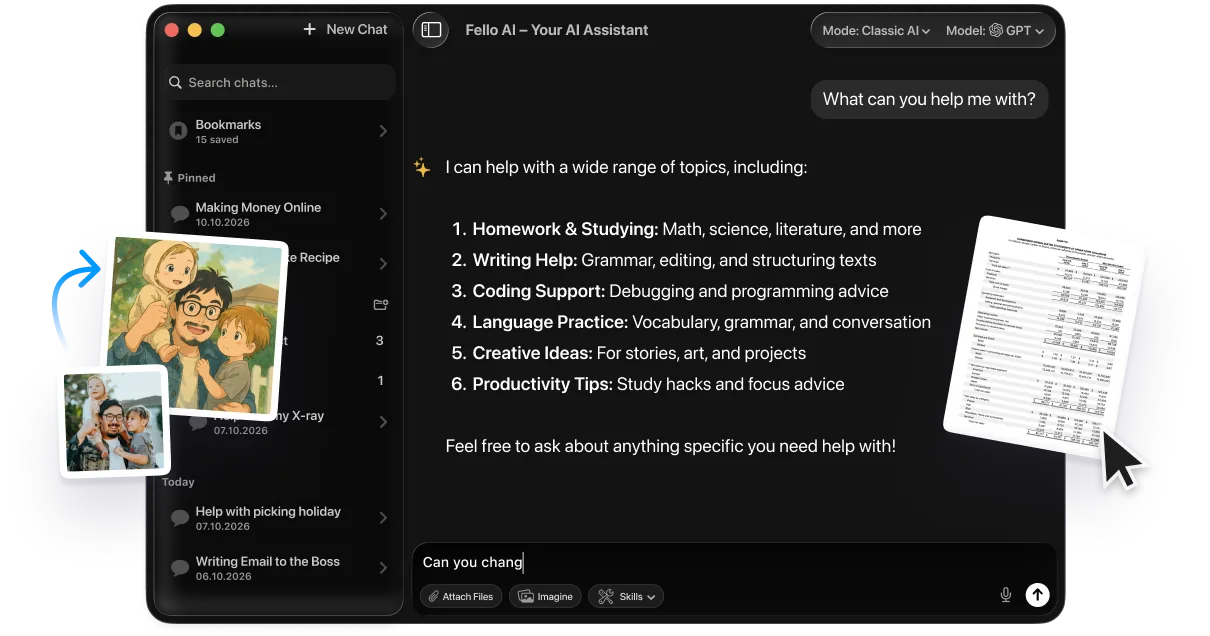
Chcete jedno místo pro chat s více modely na Macu? Aplikace Fello AI v Mac App Store vám dá Claude, ChatGPT, Gemini, Grok a DeepSeek za jediné předplatné za $9.99/měsíc. To se hodí, když chcete připravit prompt v jednom modelu a spustit ho přes Grok nebo jiný model ve stejném okně. Samotný Grok Imagine stále běží přes vlastní plátno Groku, ale Fello AI odstraňuje tření přepínání záložek při návrhu promptu.
Měli byste Grok Imagine používat?
Zvolte Grok Imagine, když vám záleží na rychlosti více než na dokonalosti. Iterace nad obsahem pro sociální sítě, tvorba vizuálních konceptů, animace jediné statické fotografie nebo tvorba 10sekundového klipu, který můžete zveřejnit za příštích 60 sekund, je přesně ten workflow, pro který byl navržen. Kombinace hlasového promptování, nativního zvuku a obratu přibližně za 17 sekund je zábavná a cena je přijatelná, pokud už platíte za SuperGrok nebo X Premium+.
Vynechte Grok Imagine, pokud potřebujete kinematografický výstup v 1080p, kontinuitu více scén, přesnou anatomii postav nebo uvěřitelné synchronizované dialogy. Sáhněte po Kling 3.0 nebo Veo 3.1, smirte se s delší dobou čekání a vyšší cenou. Ucelený přehled, kde se který nástroj hodí, najdete v přehledu nejlepších AI modelů na FelloAI. Chcete-li vědět, co přijde po Grok Imagine, přečtěte si vše, co víme o Grok 5.
FAQ
Co je Grok Imagine?
Grok Imagine je AI generátor obrázků a videa od xAI. Vytváří obrázky, animované obrázky a krátká videa se synchronizovaným zvukem z textových promptů, hlasových příkazů nebo nahraných fotografií.
Je Grok Imagine zdarma?
Ano, existuje bezplatná verze s hodinovými limity a stropem 480p. Plné funkce (720p, 10sekundové klipy, přibližně 100 videí/den) vyžadují SuperGrok za $30/měsíc nebo X Premium+ za $40/měsíc.
Jak dlouhé může být video v Grok Imagine?
Až 10 sekund ve 720p od vydání Grok Imagine 1.0. Klipy lze řetězit pomocí Extend From Frame a vytvářet delší sekvence, ale každé generování produkuje maximálně 10 sekund.
Čím se Grok Imagine liší od Grok 4?
Grok 4 a Grok 4.3 jsou konverzační chatboti; Grok Imagine je specializovaný generátor obrázků a videa. Sdílejí stejný účet xAI a předplatné, ale žijí v různých částech aplikace.
Má Grok Imagine API?
Ano. xAI spustilo Imagine API na jaře 2026 s endpointy pro obrázky, video a zvuk plus Quality Mode pro vyšší realismus. Ceny využívají kreditní systém xAI.