Kling AI ceník v roce 2026 zahrnuje pět plánů. Zdarma je $0/měsíc se 66 denními kredity, Standard je $10/měsíc, Pro je $37/měsíc, Premier je $92/měsíc a Ultra je na vrcholu za $180/měsíc. Noví předplatitelé platí za první měsíc se slevou (Standard $6.99, Pro $25.99, Premier $64.99, Ultra $127.99), poté se plány obnovují za menší stálou slevu. Háček spočívá v kreditovém systému; každé video spotřebuje různý počet kreditů podle modelu, režimu a toho, zda zapnete nativní zvuk.
Proto vám titulní cena neřekne téměř nic o tom, co skutečně utratíte. Levná cena $6.99 pro Standard, které vidíte v reklamě, platí pouze pro první měsíc; obnoví se za $8.80 a tvůrce, který vyrábí Kling 3.0 Professional klipy se zvukem, může snadno projít celý 660-kreditový Standard plán za víkend. Tento průvodce rozebírá každý plán, skutečné náklady za první měsíc oproti obnově, kreditní matematiku za skutečným výstupem videí a háčky, které se na stránce s cenami neobjeví.
Nejdůležitější body
- Bezplatný plán vám dá 66 kreditů denně, omezení na 720p, 5 sekund, vodoznak, pouze osobní použití
- Standard je $10/měsíc ($6.99 první měsíc, pak $8.80) a je nejlevnějším plánem pro komerční použití s 660 kredity, 1080p a bez vodoznaku
- Inzerované ceny ($6.99 / $25.99 / $64.99 / $127.99) platí pouze pro první měsíc; plány se obnovují za vyšší ceny $8.80 / $32.56 / $80.96 / $159.99
- Ultra $180/měsíc je nejvyšší úroveň s předčasným přístupem k Kling 3.0 ve skutečném 4K a 60fps s fondem 26 000 kreditů
- 5-sekundový Kling 3.0 Professional video stojí přibližně $0.61; nativní zvuk ho zdvojnásobí
- Kredity vyprší každý měsíc a nikdy se nepřevádějí, ale zvlášť zakoupené kreditní balíčky jsou platné 2 roky
Kolik stojí Kling AI?
Ceny Kling AI začínají na $0 s bezplatnou verzí 66 kreditů denně, pak stoupají na Standard za $10 za měsíc, Pro za $37, Premier za $92 a Ultra za $180. Prvotní předplatitelé dostávají slevu na první měsíc (Standard klesne na $6.99, Pro na $25.99, Premier na $64.99, Ultra na $127.99), poté se každý plán obnovuje za menší stálou slevu. Doplňkové kreditní balíčky se přepočítávají přibližně na $1 za 66 kreditů, zatímco předplatitelské kredity vychází levněji za kredit na vyšších úrovních.
Bezplatný plán zvládne příležitostné experimentování. Standard je vstupní bod pro každého, kdo chce klipy komerčně využívat nebo odstranit vodoznak. Pro a Premier jsou určeny pro nezávislé tvůrce a malá studia produkující týdenní výstup. Ultra existuje pro zkušené uživatele, kteří potřebují včasný přístup k funkcím Kling 3.0 a nejvyšší strop kreditů.
Plány Kling AI 2026 (Zdarma, Standard $10, Pro $37, Premier $92, Ultra $180)
Zde je přehled každého plánu Kling AI, převzatý ze stránky členství Kling v červnu 2026. Sloupec prvního měsíce je speciál pro nové předplatitele; cena v závorkách je to, co platíte při každém dalším obnovení.
| Plán | Měsíční cena | První měsíc (pak obnovení) | Kredity/měsíc | Nejlépe pro |
|---|---|---|---|---|
| Zdarma | $0 | Zdarma navždy | 66/den | Testování Kling, příležitostné experimenty |
| Standard | $10 | $6.99 (pak $8.80) | 660 (660 obrázků / 33 videí) | Příležitostní tvůrci, výstup o víkendech |
| Pro | $37 | $25.99 (pak $32.56) | 3 000 (3 000 obrázků / 150 videí) | Freelanceři, každodenní klipy |
| Premier | $92 | $64.99 (pak $80.96) | 8 000 (8 000 obrázků / 400 videí) | Agentury, práce ve velkém objemu |
| Ultra | $180 | $127.99 (pak $159.99) | 26 000 (26 000 obrázků / 1 300 videí) | Komerční 4K, zkušení uživatelé Kling 3.0 |
Největší cenová past je zaměnit první měsíční speciál za skutečnou sazbu. Titulní cena Standardu $6.99 je předplatitelská sleva prvního předplatného přibližně 30 %; obnovuje se za $8.80/měsíc a plná ceníková cena je $10. Stejný vzorec platí pro každou úroveň, takže před platbou vždy zkontrolujte oficiální stránku členství Kling pro cenu obnovení, ne jen velké propagační číslo.
Kling Zdarma za $0/měsíc
Bezplatný plán vám dá 66 kreditů denně, které se obnovují každých 24 hodin a nikdy se nehromadí. To stačí přibližně na šest Kling 2.6 Standard-mode 5-sekundových klipů nebo přibližně tři Professional-mode klipy, než musíte čekat na příděl dalšího dne. Generovací fronty běží pomaleji než u placených úrovní, takže klip, který placení uživatelé dostanou za 30 sekund, může na bezplatné verzi trvat 5 až 30 minut.
Větším stropem je to, co je za placenou zdí. Bezplatné výstupy jsou omezeny na 720p, maximálně 5 sekund, nesou vodoznak Kling a jsou omezeny pouze na osobní použití. Dostanete také omezený přístup k Kling 3.0, přičemž většina profesionálních funkcí nového modelu je vyhrazena pro placené plány. Pokud plánujete cokoliv publikovat klientovi, značkové stránce nebo placenému sociálnímu účtu, bezplatná verze to legálně nepokrývá.
Kling Standard za $10/měsíc ($6.99 první měsíc)
Poctivá odpověď je, že většina lidí přestřelí. Standard stojí ceníkově $10/měsíc, klesne na $6.99 na první měsíc a pak se obnovuje za $8.80, přičemž se hodí pro příležitostné tvůrce, kteří zveřejňují několik klipů týdně a nepotřebují dlouhý výstup. Při 660 měsíčních kreditech to jsou přibližně 66 krátkých Standard-mode klipů nebo 18 Professional-mode klipů, než vyčerpáte zásobu. Pokud video generujete jen o víkendech, Standard je dostatek.
Kling Pro za $37/měsíc ($25.99 první měsíc)
Pro stojí ceníkově $37/měsíc ($25.99 první měsíc, pak $32.56) a dává smysl pro freelancery a malé produkční týmy produkující každodenní klipy. Strop 3 000 kreditů se přepočítá přibližně na 300 Standard nebo 85 Professional klipů za měsíc, což odpovídá tomu, jak většina YouTuberů a tvůrců na TikToku nástroj používá. Dostanete také vyšší limity souběžného generování, takže nečekáte ve frontě na jedno video najednou.
Kling Premier za $92/měsíc ($64.99 první měsíc)
Premier stojí ceníkově $92/měsíc ($64.99 první měsíc, pak $80.96) a pohybuje se na území agentur. 8 000 měsíčních kreditů a prioritní fronta stojí za zaplacení pouze tehdy, pokud účtujete klientskou práci a záleží vám na rychlosti. Pro sólové tvůrce matematika skok z Pro zřídka odůvodní.
Kling Ultra za $180/měsíc ($127.99 první měsíc)
Ultra stojí ceníkově $180/měsíc ($127.99 první měsíc, pak $159.99) a je to niche úroveň označená jako nový přírůstek na stránce členství. Platíte za předčasný přístup k výstupu Kling 3.0 ve skutečném 4K, funkci multi-shot storyboard a fond 26 000 měsíčních kreditů. Pokud neprodukujete vysoce kvalitní komerční práci, kde záleží na 4K, nebo nejste Kling 3.0 každý jediný den, Pro plus doplňkový balíček obvykle porazí Ultra v flexibilitě.
Kreditový systém: kolik skutečně stojí jedno Kling video?
Zde titulní ceny zavádějí. Každé video stojí jiný počet kreditů a matematika se rychle nabaluje, jakmile zapnete Professional mode nebo zvuk.
| Generování | Kredity | Efektivní cena v $ |
|---|---|---|
| Kling 2.6 Standard (5s, 720p) | 10 | ~$0.15 |
| Kling 2.6 Professional (5s, 1080p) | 35 | ~$0.53 |
| Kling 3.0 Standard (5s) | 20 | ~$0.30 |
| Kling 3.0 Professional (5s) | 40 | ~$0.61 |
| Kling 2.6 Standard (10s) | 20 | ~$0.30 |
| Kling 2.6 Professional (10s) | 70 | ~$1.06 |
| Nativní zvuk (Standard) | +50 | ~$0.76 navíc |
| Nativní zvuk (Professional) | +100 | ~$1.52 navíc |
Z toho vyplývají dvě praktická pravidla. Za prvé, Professional mode spálí přibližně 3,5× více kreditů než Standard pro stejnou délku výstupu, což je největší položka ovlivňující měsíční náklady. Za druhé, nativní zvuk náklady přibližně zdvojnásobí, takže propracovaný 5-sekundový Kling 3.0 Professional klip se zvukem vychází zhruba na $1.20 až $1.50 v reálných penězích, pokud vezmete v úvahu cenu kreditu Standard plánu.
Je také nutné počítat s neúspěšnými pokusy. Standardní pracovní postupy tvůrců předpokládají 2 až 3 pokusy generování na použitelný klip, protože drift promptu a fyzikální závady pohltí první pokusy. Kling kredity za neúspěšné nebo nekvalitní generování nevrací, takže každou cenu výše vynásobte svou skutečnou mírou úspěchu, abyste dostali správné číslo.
Co Kling 3.0 mění pro ceník
Kling 3.0 byl spuštěn 5. února 2026 mateřskou společností Kuaishou, spolu s Kling 3.0 Omni, Image 3.0 a Image 3.0 Omni. Vydání přineslo čtyři velká vylepšení, která mění způsob, jak přemýšlet o výdajích na kredity.
Prvním je skutečné nativní 4K při 60 snímcích za sekundu. Předchozí verze Kling se zastavily na 1080p, takže výstup 4K musel pocházet z upscalingu. Nyní lze generovat nativní 3840×2160 přímo, což je smysluplné pro každého, kdo produkuje pro kino, prémiové sociální sítě nebo velkoformátové displeje. Druhým je flexibilní okno délky 3 až 15 sekund, oproti předchozímu maximu 10 sekund. Delší klipy znamenají méně nepříjemných střihů a více použitelných scén z jednoho generování.
Třetím vylepšením je nativní vícejazyčný zvuk se synchronizací rtů v čínštině, angličtině, japonštině, korejštině a španělštině. To nahrazuje neohrabaný dvoustupňový pracovní postup, kdy jste v Kling generovali tiché video a poté přidávali hlas v jiném nástroji. Čtvrtým je funkce multi-shot storyboard ve verzi 3.0 Omni, která umožňuje specifikovat délku, velikost záběru, perspektivu a pohyb kamery pro každý záběr v sekvenci.
Cenový dopad je přímočarý. Výstupy Kling 3.0 stojí přibližně dvakrát více kreditů než ekvivalentní generování v Kling 2.6. Tvůrce, který byl zvyklý na 35 kreditů za 5-sekundový Pro klip, nyní utrácí 40 kreditů za stejný klip v 3.0 a výstup 4K přidá ještě další prémii. Okno s předčasným přístupem plánu Ultra k nejprémiovějším funkcím 3.0 je také skutečnou uzamčenou funkcí.
Skryté náklady a háčky
Zveřejněná cena je zřídka cena, kterou skutečně zaplatíte. Předplatitelské kredity vyprší na konci každého fakturačního cyklu, takže cokoli, co v daném měsíci nespotřebujete, zmizí. Zkušení uživatelé přestřelují svůj plán, než aby riskovali placení za kredity, které nepoužijí. Doplňkové kreditní balíčky zakoupené zvlášť jsou platné dva roky, což je výrazně lepší nabídka, pokud je vaše využití nepravidelné.
Neúspěšná generování jsou další pastí. Kling kredity za rozmazaný, závadný nebo off-prompt výstup nevrací. Vlastní pokyny platformy předpokládají 2 až 3 pokusy na použitelný klip, což trojnásobně zvyšuje efektivní náklady. Professional-mode náhledy jsou horší. Spálíte 3,5× kreditů, než zjistíte, zda prompt vůbec funguje.
Automatické obnovení je třetí pastí a sleva za první měsíc to zhoršuje. Velká inzerovaná cena pokrývá pouze první měsíc, takže Standard plán, který vypadá jako $6.99, se tiše obnoví za $8.80, Pro skočí z $25.99 na $32.56 a Ultra stoupne z $127.99 na $159.99. Roční plány fakturují celé období předem bez částečných náhrad za nevyužité měsíce, takže si přečtěte řádek o obnovení, než si předplatíte, a berte vstupní cenu jako jednorázové zvýhodnění, ne jako průběžné náklady.
Kling AI vs. Veo 3.1 vs. Runway Gen-4.5
Konkurenční obraz se výrazně změnil v dubnu 2026, kdy OpenAI ukončil Sora 2 26. dubna a zanechal Kling, Googleův Veo 3.1 a Runway Gen-4.5 jako tři seriózní hráče v komerčním AI videu. Grok Imagine od xAI doplnil pole jako rychlá a levná možnost stavěná pro iteraci sociálních klipů, nikoli pro komerční výstup 4K.
| Nástroj | Vstupní plán | Nejvyšší plán | Cena za sekundu (přibližně) | Nativní zvuk | Maximální rozlišení |
|---|---|---|---|---|---|
| Kling AI | $10 / 660 kreditů | $180 / 26 000 kreditů | ~$0.10 (Std) / ~$0.18 (Pro) | Ano (Kling 3.0) | 4K (Ultra) |
| Veo 3.1 | Google AI Premium $30/měsíc | API: $0.40 / sek. Standard | $0.15 (Fast API) / $0.40 (Standard) | Ano | 4K / 60fps |
| Runway Gen-4.5 | $15 / 625 kreditů | $95 / 2 250 kreditů | ~$0.19–0.29 | Omezený | 1080p (Gen-4.5) |
Kling vítězí v hrubých nákladech za sekundu výstupu, zejména s $10 Standard plánem (a $6.99 první měsíc), který je nejlevnějším vstupním bodem pro komerční AI video na trhu. Veo 3.1 vítězí v konzistenci kvality ve 4K a integruje se s ekosystémem Google, pokud již platíte za Google AI Premium. Jeho Standard API za $0.40 za sekundu je přibližně 2× dražší než výstup Kling Pro-mode. Runway Gen-4.5 vítězí ve funkcích pro kontrolu tvůrce, jako jsou štětce, ovládání pohybu a inpainting, které Kling a Veo plně nenabízejí. Pro širší přehled o cenách AI nástrojů náš průvodce srovnáním cen AI rozebírá chatovací modely, generátory obrázků a video nástroje vedle sebe.
Pro většinu tvůrců na Macu, kteří chtějí jen vytvářet kvalitní krátká videa bez přeplácení, je Kling Standard zřejmým výchozím bodem. Přejděte na Pro pouze tehdy, když zjistíte, že vám dochází měsíční kredity, a přeskočte Premier a Ultra, pokud nemáte konkrétní důvod pro 4K nebo agenturní objem k zaplacení prémia. Pro hlubší benchmarky napříč širším trhem si přečtěte náš přehled nejlepších AI generátorů videí roku 2026.
Týmové plány, kreditní balíčky a roční fakturace
Kromě individuálních úrovní prodává Kling Týmový plán za $79 za místo za měsíc, klesající na $59 za místo při ročním fakturování ($708 za místo na 12 měsíců). Každé místo dostane 10 000 kreditů za měsíc sdílených v rámci týmu, plus sdílení aktiv na základě rolí, spolupráci a komerční práva. Tříčlenný tým stojí $237/měsíc nebo přibližně $2 124/rok a cokoliv většího jde přes plán Enterprise, který je jen na vyžádání. Týmové plány jsou pouze webové a nejsou dostupné v mobilní aplikaci.
Pokud je vaše využití spíše nepravidelné než stálé, jednorázové kreditní balíčky často překonají větší předplatné. Stupňují se od $5 za 330 kreditů až po $1 200 za 96 000 kreditů s bonusovými kredity za flash slevy u větších balíčků a jsou platné dva roky místo toho, aby vyprší každý měsíc. Tato dvouletá trvanlivost je klíčovou výhodou; předplatitelské kredity zmizí na konci každého fakturačního cyklu, ať je využijete nebo ne.
Roční fakturace u individuálních placených úrovní přidává úspory na vrchol promo ceny pro první měsíc, ale platí stejné pravidlo: kredity se stále nepřevádějí měsíc od měsíce, takže uzamknutí do roku Ultra a využití méně než 26 000 kreditů v pomalém měsíci jsou vyplýtvané peníze. Rozumná střední cesta je začít s měsíčním Standardem, sledovat spotřebu kreditů po měsíc nebo dva a zavázat se k ročnímu předplatnému až poté, co si budete jisti, kterou úroveň skutečně potřebujete.
Kde se Fello AI hodí do vašeho zásobníku
Kling řeší generování videí. Neřeší zbytek AI pracovního postupu. Stále potřebujete průzkum, scénáře, iteraci promptů, hlasovou práci mimo Kling a generování obrázků pro miniatury. Pokud již platíte za Kling a samostatné předplatné ChatGPT a plán Gemini a účet Claude, měsíční zásobník se rychle sčítá. Než přidáte další placený plán, zkontrolujte, které z nich nabízejí skutečnou bezplatnou zkušební dobu v roce 2026.
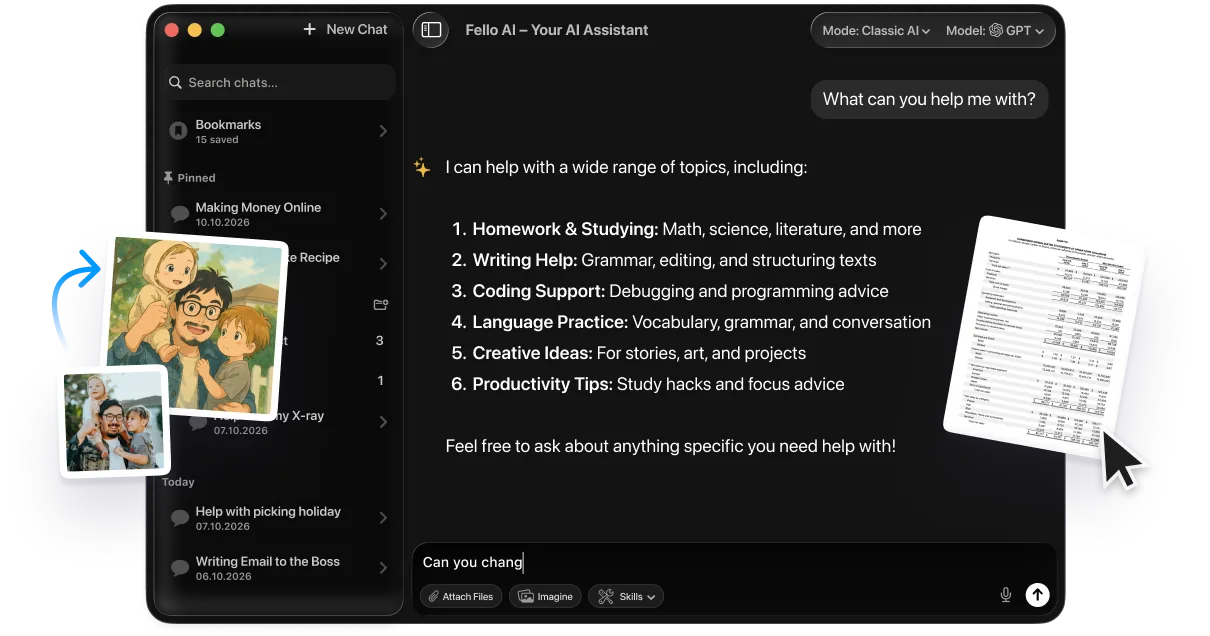
Fello AI je nativní aplikace pro Mac, která sdružuje Claude, ChatGPT, Gemini, Grok a DeepSeek pod jedno předplatné za $9.99/měsíc, hodnocené 4,7 hvězd z více než 25 000 recenzí. Většina tvůrců ho používá pro vrstvu psaní promptů a přípravy před tím, než zaplatí za generování Kling. Myslíte storyboardy, návrhy scénářů pro hlasový komentář, iteraci promptů za účelem snížení neúspěšných generování Kling a brainstorming samotného konceptu. Jedno předplatné nahrazuje to, co by jinak bylo třemi nebo čtyřmi samostatnými účty za AI nástroje, včetně DeepSeek pro nákladově citlivé náročné úkoly. Vyzkoušejte Fello AI na Macu a otestujte nastavení s více modely před tím, než se zavážete k jakémukoli z předplatných pro jednotlivé nástroje.
Měli byste tedy platit za Kling?
Pokud publikujete videa pro klienty nebo vlastní značku, ano. Standard za $10/měsíc ($6.99 za první měsíc) je nejlevnější seriózní komerční AI video plán na trhu a dá vám výstup 1080p bez vodoznaku. Bezplatná verze se hodí pro testování, ale omezení osobního použití znamená, že cokoli, co jinde zveřejníte, je technicky v rozporu s podmínkami.
Větší otázka je, která úroveň. Standard se hodí pro příležitostné tvůrce, Pro pro každodenní výstup, Premier a Ultra jsou rozhodnutí specifická pro agentury nebo 4K. Neplaťte za Ultra, pokud nepotřebujete předčasný přístup k Kling 3.0 ve skutečném 4K, a nepřecházejte na roční předplatné, dokud nesledujete spotřebu kreditů po dva měsíce. Zkontrolujte přehled nejlepších AI modelů, co se na širším trhu změnilo, než se zavážete na rok.
Časté dotazy
Kolik stojí Kling AI?
Kling AI se pohybuje od zdarma do $180 za měsíc. Standard plán stojí ceníkově $10/měsíc, Pro $37/měsíc, Premier $92/měsíc a Ultra $180/měsíc. Noví předplatitelé dostávají levnější první měsíc ($6.99 / $25.99 / $64.99 / $127.99), poté se plány obnovují za vyšší ceny.
Proč je moje obnovení Kling vyšší než $6.99, které jsem zaplatil?
Nízké inzerované ceny jsou sleva pro první předplatné, která platí pouze pro první měsíc. Poté se Standard obnovuje za $8.80, Pro za $32.56, Premier za $80.96 a Ultra za $159.99 za měsíc. Před přihlášením k odběru zkontrolujte řádek obnovení na stránce členství.
Je Kling AI zdarma?
Ano, s limity. Bezplatný plán vám dá 66 kreditů denně, výstup 720p, 5-sekundové klipy, vodoznak Kling a pouze osobní použití. Komerční použití vyžaduje placený plán začínající na $10/měsíc ($6.99 za první měsíc).
Kolik kreditů stojí video Kling 3.0?
5-sekundový Kling 3.0 Standard klip stojí přibližně 20 kreditů a Professional klip přibližně 40 kreditů. Přidání nativního zvuku tato čísla zdvojnásobí. Generování Kling 2.6 stojí přibližně polovinu kreditů oproti ekvivalentním výstupům 3.0.
Přenáší se kredity Kling AI?
Ne. Předplatitelské kredity vyprší na konci každého fakturačního cyklu. Doplňkové kreditní balíčky zakoupené zvlášť jsou platné 2 roky, což z nich dělá lepší nabídku pro nepravidelné využití.
Je Kling AI levnější než Veo 3.1 nebo Runway?
Ano, v hrubých nákladech za sekundu. Kling Standard vychází přibližně na $0.10 za sekundu Standard-mode videa a $0.18 za sekundu Professional. API Veo 3.1 účtuje $0.15/sek. Fast nebo $0.40/sek. Standard a Runway Gen-4.5 vychází na $0.19–0.29 za sekundu podle plánu.
Mohu kdykoliv zrušit předplatné Kling AI?
Ano, ale s výhradami. Měsíční plány se zruší na konci aktuálního fakturačního cyklu. Roční plány fakturují celý rok předem a nevracejí nevyužité měsíce, takže nejprve otestujte na měsíčním plánu.
Který plán Kling je nejlepší pro sólové tvůrce?
Standard za $10/měsíc pro příležitostný výstup, Pro za $37/měsíc pro každodenní výstup (oba levnější v prvním měsíci). Přeskočte Premier a Ultra, pokud neděláte agenturní práci nebo konkrétně nepotřebujete předčasný přístup k Kling 3.0 ve skutečném 4K. Většina tvůrců přestřeluje svůj plán, takže začněte o jednu úroveň níže, než si myslíte, že potřebujete.