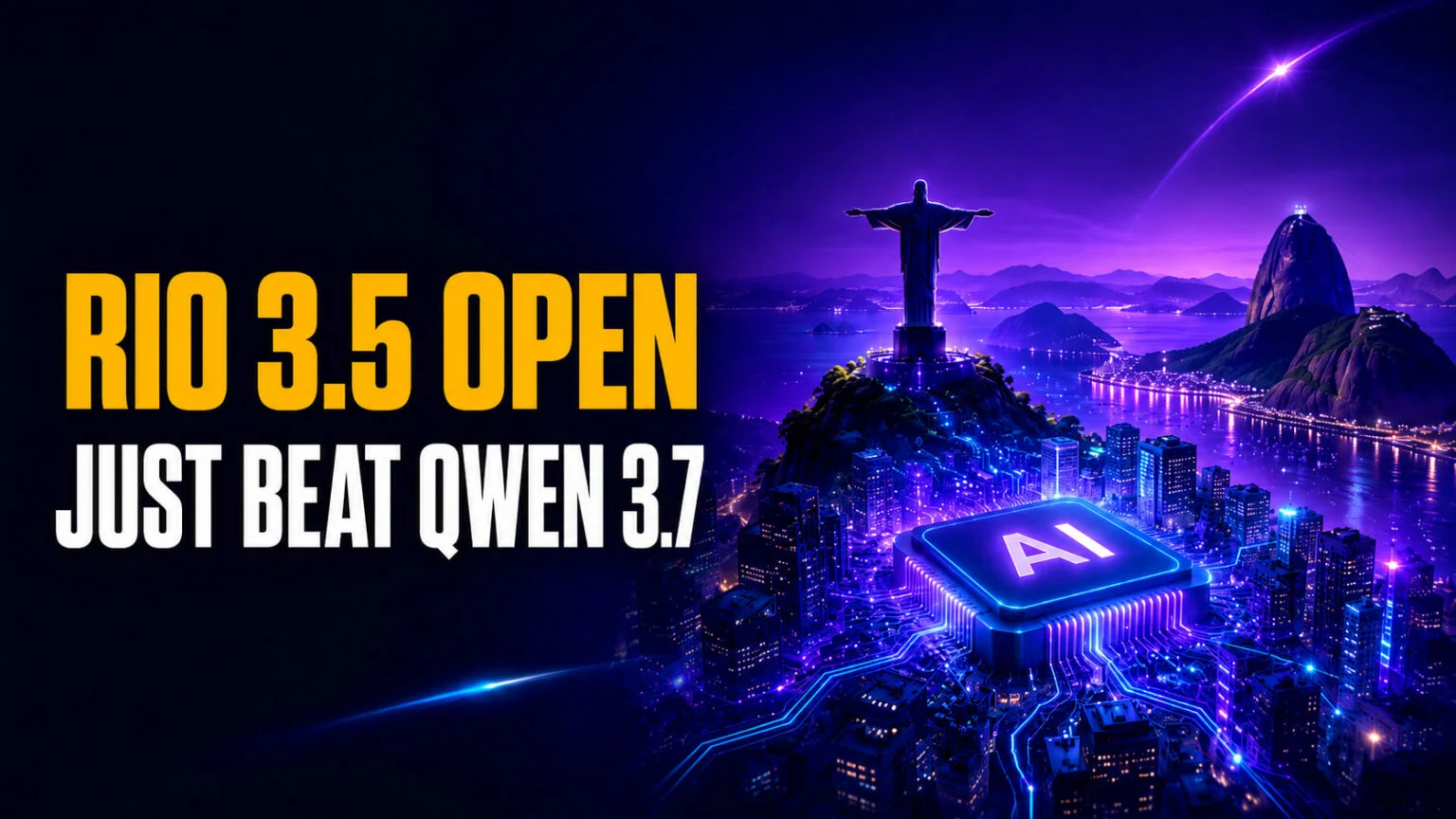
Městská samospráva Rio de Janeira právě vydala frontier AI model s otevřeným přístupem. Je navržen tak, aby se měřil s nejlepšími open source systémy na světě. Rio 3.5 Open 397B pochází od IplanRIO, municipální IT společnosti, která provozuje digitální služby Rio de Janeira. Na vlastních benchmarcích překonává Alibabův Qwen 3.7 Plus v několika testech, přestože koruna otevřeně publikovaných vah nyní patří GLM 5.2. Není to překlep. Radnice vydala model s 397 miliardami parametrů pod plně otevřenou licencí.
A teď upřímná verze příběhu. Rio 3.5 Open 397B nevznikl od nuly. Je to fine-tune modelu Qwen 3.5-397B-A17B, Alibabova otevřeného základního modelu, s přidanou novou vrstvou uvažování. Výsledné skóre je pozoruhodné, ale jde o čísla od prvního výrobce, která nebyla dosud nezávisle ověřena. Model v některých benchmarcích vede, v jiných zaostává. Tento článek rozebírá, čím model skutečně je, jak se skutečně porovnává s modelem Qwen a proč je důležité, že municipální samospráva vyvíjí AI pro každého.
Rio 3.5 Open 397B je učebnicovým příkladem open source AI v praxi, kde zveřejněné váhy a permisivní licence umožňují komukoli stavět na frontier modelu.
Pro srovnání širšího pole open-source modelů si prohlédněte náš žebříček nejlepších open source AI modelů.
Hlavní poznatky
- Rio 3.5 Open 397B vydalo IplanRIO, IT společnost městské samosprávy Rio de Janeira, čímž se řadí mezi první frontier modely z rukou municipálního úřadu.
- Jde o fine-tune Alibabova modelu Qwen 3.5-397B-A17B s celkem 397 miliardami parametrů a 17 miliardami aktivních v architektuře Mixture-of-Experts.
- Na vlastní kartě modelu překonává Qwen 3.7 Plus ve čtyřech z pěti benchmarků, včetně Terminal-Bench 2.1 (70,8 vs 70,3) a SWE-Bench Multilingual (77,0 vs 75,8), a zaostává pouze v MMLU-Pro (88,0 vs 88,5).
- Zisky jsou do značné míry závislé na SwiReasoning, metodě bez tréninku, která přepíná mezi viditelným a skrytým uvažováním; skóre zatím nebylo nezávisle ověřeno.
- Váhy jsou vydány pod licencí MIT a váží přibližně 807 GB, takže doma je spustí téměř nikdo.
Co je Rio 3.5 Open 397B?
Rio 3.5 Open 397B je frontier AI model s otevřeným přístupem vydaný společností IplanRIO. Jde o IT společnost městské samosprávy Rio de Janeira. Je to fine-tune Alibabova modelu Qwen 3.5-397B-A17B, využívá architekturu Mixture-of-Experts s celkem 397 miliardami parametrů a 17 miliardami aktivních na token a je vydán pod permisivní licencí MIT pro komerční i výzkumné využití.
Klíčové slovo je otevřenost. Plné váhy jsou zveřejněny na Hugging Face, takže kdokoli s potřebným hardwarem si model může stáhnout, prozkoumat a spustit. Tato otevřenost je celý smysl. Umožňuje tak městské samosprávě soutěžit v prostoru, kde obvykle dominují laboratoře jako OpenAI, Google a Anthropic. Rio nemuselo trénovat model od nuly; postavilo se na silném otevřeném základu a přidalo vlastní vylepšení.
Tento detail je důležitý pro kontext. Označovat Rio 3.5 jako „brazilský model, který překonává Qwen“ je jen polovina příběhu, protože model je doslova postaven na Qwenu. Přesnější rámování je, že Rio vzalo Alibabův otevřený základ a doladilo ho natolik, aby v několika testech těsně předčilo vlastní novější vydání od Alibaby. Chcete-li širší přehled o tom, kde tyto systémy stojí, náš průběžný průvodce nejlepšími AI modely sleduje frontier měsíc po měsíci.
Rio 3.5 vs Qwen 3.7 Plus: čísla z benchmarků
Toto je tvrzení, které upoutalo pozornost. Na vlastní kartě modelu Rio 3.5 překonává Qwen 3.7 Plus ve čtyřech z pěti uvedených benchmarků a vede v oblasti kódování, softwarového inženýrství a náročné matematiky, přičemž zaostává pouze v oblasti obecných znalostí. Výhry jsou na skutečných benchmarcích, ale většina rozdílů je těsná a výsledky pocházejí od samotného Ria.
| Benchmark | Co testuje | Rio 3.5 Open 397B | Qwen 3.7 Plus | Vítěz |
|---|---|---|---|---|
| Terminal-Bench 2.1 | Agentní terminálové a kódovací úlohy | 70,8 | 70,3 | Rio 3.5 |
| SWE-Bench Multilingual | Skutečné opravy kódu napříč jazyky | 77,0 | 75,8 | Rio 3.5 |
| SWE-Bench Pro | Náročné úlohy softwarového inženýrství | 58,1 | 57,6 | Rio 3.5 |
| IMOAnswerBench | Matematické uvažování na olympijské úrovni | 89,5 | 86,0 | Rio 3.5 |
| MMLU-Pro | Pokročilé znalosti napříč obory | 88,0 | 88,5 | Qwen 3.7 Plus |
Rozdíly vypovídají skutečný příběh. Rio vede o půl bodu v Terminal-Bench 2.1 a SWE-Bench Pro a o větší rozdíly v SWE-Bench Multilingual a matematickém testu IMOAnswerBench, zatímco Qwen si udržuje mírný náskok v MMLU-Pro. Každé číslo berte jako vlastní nahlášené výsledky Ria, nikoli jako ustálené pořadí. Poctivý závěr je, že „překonává Qwen“ je sice pravda, ale těsná a sebe-nahlášená. Pro základ srovnání si přečtěte naši recenzi Qwen 3.7 Max.
Jsou tato skóre z benchmarků skutečně pravdivá?
Krátká odpověď: zatím nejsou ověřena. Každé číslo specifické pro Rio pochází z karty modelu, kterou zveřejnil stejný tým, jenž model vybudoval. Samotné benchmarky jsou legitimní, ale skutečný benchmark není totéž co nezávisle potvrzené skóre a výrobci často spouštějí testy s různými scaffoldy a nastaveními, což srovnání číslo po čísle ztěžuje.
Je tu i druhý problém. Analytici, kteří vydání prozkoumali, zjistili, že velká část výhody Ria zřejmě pochází z metody SwiReasoning, přestože repozitář neobsahuje kód, který ji implementuje. Tato mezera ztěžuje reprodukci výsledků, což je přesně to, co nezávislé ověření potřebuje. Spravedlivý přístup k Rio 3.5 dnes je brát ho jako slibné open-weight vydání s agresivními vlastními tvrzeními, nikoli jako prokázaného nového šampiona.
SwiReasoning: trik za dosaženými zisky
SwiReasoning je inferenční framework bez tréninku, který modelu umožňuje přepínat mezi explicitním chain-of-thought a tichým uvažováním ve skrytém prostoru, řízeným signály důvěry na základě entropie. Jednoduše řečeno, model „přemýšlí nahlas“ jen tehdy, když si není jistý, a jinak uvažuje tiše ve skrytém prostoru, což může zlepšit jak přesnost, tak efektivitu tokenů.
Tato technika pochází z výzkumného článku Shiho a kolegů zveřejněného koncem roku 2025, nikoli od samotného Ria. To je součást toho, co vydání dělá zajímavým; IplanRIO zkombinoval existující otevřený základní model s publikovanou akademickou metodou, aby vytěžil extra výkon. Je to chytrý, nízkonákladový recept a další znamení, že frontier zisky již nevyžadují obrovský laboratorní rozpočet.
Proč je důležité, že AI vyvíjí městská samospráva
Zapomeňte na chvíli na spor o benchmarky, protože větší příběh tkví v tom, kdo tohle vydal. Municipální IT oddělení v Brazílii vydalo model ve stejné váhové třídě jako vydání od Alibaby, DeepSeeku a Moonshootu. To je globální akcelerace v akci a ukazuje, jak otevřené základní modely spolu s veřejným výzkumem šíří seriózní schopnosti AI daleko za Silicon Valley a Hangzhou.
Ukazuje to také na zdravější ekosystém AI. Když si radnice v globálním Jihu může doladit prémiový model pro vlastní jazyky a potřeby, technologie přestává být soukromým majetkem hrstky firem. Již jsme viděli, jak open source vydání jako Nex-N2-Pro, Kimi K2.6 a DeepSeek V4 okusují náskok uzavřených laboratoří. Rio 3.5 přidává na tento seznam nový typ hráče, veřejnou instituci místo startupů. Moonshot mezitím navázal vydáním Kimi K2.7 Code, dalšího open source vydání posouvajícího stejný trend vpřed.
Specifikace, licence a dá se to spustit?
Hlavní specifikace jsou seriózní. Rio 3.5 Open 397B je transformátor Mixture-of-Experts s celkem 397 miliardami parametrů a 17 miliardami aktivních. Je postaven na 60 vrstvách s 512 experty a 10 vybranými na token. Model podporuje nativní kontext přibližně 262 000 tokenů, rozšířený na deklarovaný 1 milion pomocí škálovacích technik. Zpracovává také multimodální vstup obrázků a textu v angličtině, portugalštině, čínštině a několika dalších jazycích.
Háček spočívá ve velikosti. Váhy mají přibližně 807 GB, což lokální provozování staví mimo dosah běžných notebooků a dokonce i většiny pracovních stanic. Licence MIT znamená, že firmy a výzkumníci na modelu mohou volně stavět. V praxi k němu budete přistupovat spíše přes cloudového poskytovatele než přes vlastní stroj. Open weights jsou skvělé pro transparentnost a důvěru; neznamená to ale, že jsou snadno spustitelné.
Co to znamená pro běžné uživatele AI
Pro většinu lidí je praktickým poučením z Rio 3.5 to, že nemusíte pronásledovat ani hostovat žádný jediný model. Nové frontier systémy nyní přicházejí téměř každý týden z laboratoří, startupů a dokonce i z radnic a žádný model nevyhrává ve všem. Chytrý tah je přístup k mnoha modelům, nikoli věrnost jednomu.
To je myšlenka za Fello AI na Macu. Místo žonglování se samostatnými předplatnými získáte Claude, ChatGPT, Gemini, Grok a DeepSeek v jedné nativní aplikaci za $9.99 měsíčně. Nabídka se aktualizuje, jak se nové modely osvědčí. Přeskočíte 807 GB stahování i účty za jednotlivé poskytovatele a přepínáte na ten model, který je pro daný úkol nejlepší. Jste noví? Začněte s průvodcem pro začátečníky.
Závěr
Rio 3.5 Open 397B je vzrušující vydání a zaslouží si jak potlesk, tak dávku opatrnosti. Městská samospráva, která doladí prémiový open source model a zveřejní čísla, jež těsně předčí nejnovější Alibabovo vydání, je skutečným milníkem pro AI mimo obvyklá centra. Jen si pamatujte, že výsledky jsou od prvního výrobce, výhry jsou specifické pro konkrétní benchmarky a model je postaven na modelu Qwen, nikoli od nuly.
Sledujte nezávislé benchmarky v nadcházejících týdnech, abyste zjistili, zda Rio 3.5 obstojí pod externím testováním. Ať tak či onak, trend je jasný. Seriózní AI se stává globální a to je dobrá zpráva pro každého, kdo ji používá.
FAQ
Kdo vytvořil Rio 3.5 Open 397B?
Vydalo ho IplanRIO, municipální IT společnost městské samosprávy Rio de Janeira v Brazílii, a veřejně ho zveřejnilo na Hugging Face.
Je Rio 3.5 skutečně lepší než Qwen?
Na vlastní kartě modelu překonává Qwen 3.7 Plus ve čtyřech z pěti benchmarků a zaostává pouze v MMLU-Pro. Čísla jsou od prvního výrobce a nebyla dosud nezávisle ověřena, takže „lepší“ je sice pravda, ale těsná a sebe-nahlášená.
Na čem je Rio 3.5 postaveno?
Je to fine-tune Alibabova otevřeného základního modelu Qwen 3.5-397B-A17B s přidanou inferenční vrstvou SwiReasoning pro posílení uvažování a efektivity.
Mohu si Rio 3.5 stáhnout a spustit?
Ano, váhy jsou otevřené pod licencí MIT, ale při přibližně 807 GB potřebujete seriózní serverový hardware. Většina uživatelů k nim přistoupí přes cloudového poskytovatele, nikoli přes osobní počítač.
Co je SwiReasoning?
Je to metoda bez tréninku, která přepíná model mezi viditelným chain-of-thought a skrytým latentním uvažováním na základě důvěry, s cílem zvýšit přesnost při použití méně tokenů.