EcoGPT je bezplatný AI chatbot, který při používání financuje výsadbu stromů. Běží na malých open-source modelech na serverech Google Cloud ve Finsku a v bezplatných verzích zobrazuje reklamy. Tarif Pro bez reklam stojí v USA $10 měsíčně a podle EcoGPT jeho uživatelé přes neziskovou organizaci Trees for the Future financovali 263 386 stromů. Vyvíjí ho EcoGPT, Inc., delawarská Public Benefit Corporation, a na Google Play má přes 1 milion stažení.
Takže ano, EcoGPT je důvěryhodný: skutečný produkt skutečné firmy s datovaným záznamem stromů, který si můžete ověřit. ChatGPT ale plně nenahradí a bezplatná verze má datovou daň, o které skoro nikdo nemluví: reklamní partneři dostávají vaše poslední zprávy. Každé tvrzení v této recenzi jsme 1. 10. 2026 ověřili na stránkách EcoGPT s tarify, zpracovateli a stromy. Širší pohled na ekologickou stopu AI najdete v článku, zda je AI špatná pro životní prostředí.
Hledáte oficiální web nebo aplikaci EcoGPT? Webová aplikace je na ecogpt.com. Aplikace pro iPhone je EcoGPT v App Storu od prodejce EcoGPT, Inc. a aplikace pro Android je EcoGPT na Google Play. Aplikace pro Mac neexistuje. Oficiální účet EcoGPT na X je @ecogptapp.
Hlavní body
- EcoGPT je AI chatbot, který sází stromy. Stojí za ním EcoGPT, Inc., delawarská Public Benefit Corporation, kterou založil Ethan Leonard a která se podle vlastních slov financuje sama.
- EcoGPT si v tempu výsadby protiřečí. Jeho web uvádí, že 200 promptů financuje 1 strom (s Pro dvakrát rychleji); záznam v App Storu stále říká každých 100 chatů. Stránka se stromy jich počítá 263 386, cílem je 500 000 do roku 2027.
- Dva bezplatné tarify a jeden placený: Anonymous (60 zpráv denně, bez účtu), Member (500 denně, s reklamami) a Pro za $10 měsíčně na webu v USA, bez reklam. Roční cenu EcoGPT nezveřejňuje.
- Bezplatné tarify zobrazují sponzorované návrhy a podle seznamu zpracovatelů EcoGPT dostávají čtyři reklamní partneři k jejich výběru vaše poslední zprávy, případně aktuální prompt a odpověď.
- App Store: 4,8 hvězdičky z 8 403 hodnocení. Google Play: 4,9 hvězdičky z 10 327 hodnocení a přes 1 milion stažení.
- Pod kapotou běží malé open-source modely, které EcoGPT nejmenuje, hostované v Google Cloudu ve finské Hamině, se záložní cestou přes OpenRouter. GPT, Claude ani Gemini nepoužívá.
Co je EcoGPT?
EcoGPT je AI asistent na psaní, učení, plánování a běžné otázky, který část svých příjmů posílá na výsadbu stromů. Vyvíjí ho EcoGPT, Inc., delawarská Public Benefit Corporation, tedy forma společnosti, která musí vedle zisku zohledňovat i veřejný prospěch. Zakladatelem je Ethan Leonard, který podle stránky „About“ odešel z vysoké školy, protože věřil, že AI se má stavět efektivně. Firma svůj produkt popisuje jako „regenerativní, etickou a open-source AI“ a uvádí, že se financuje sama.
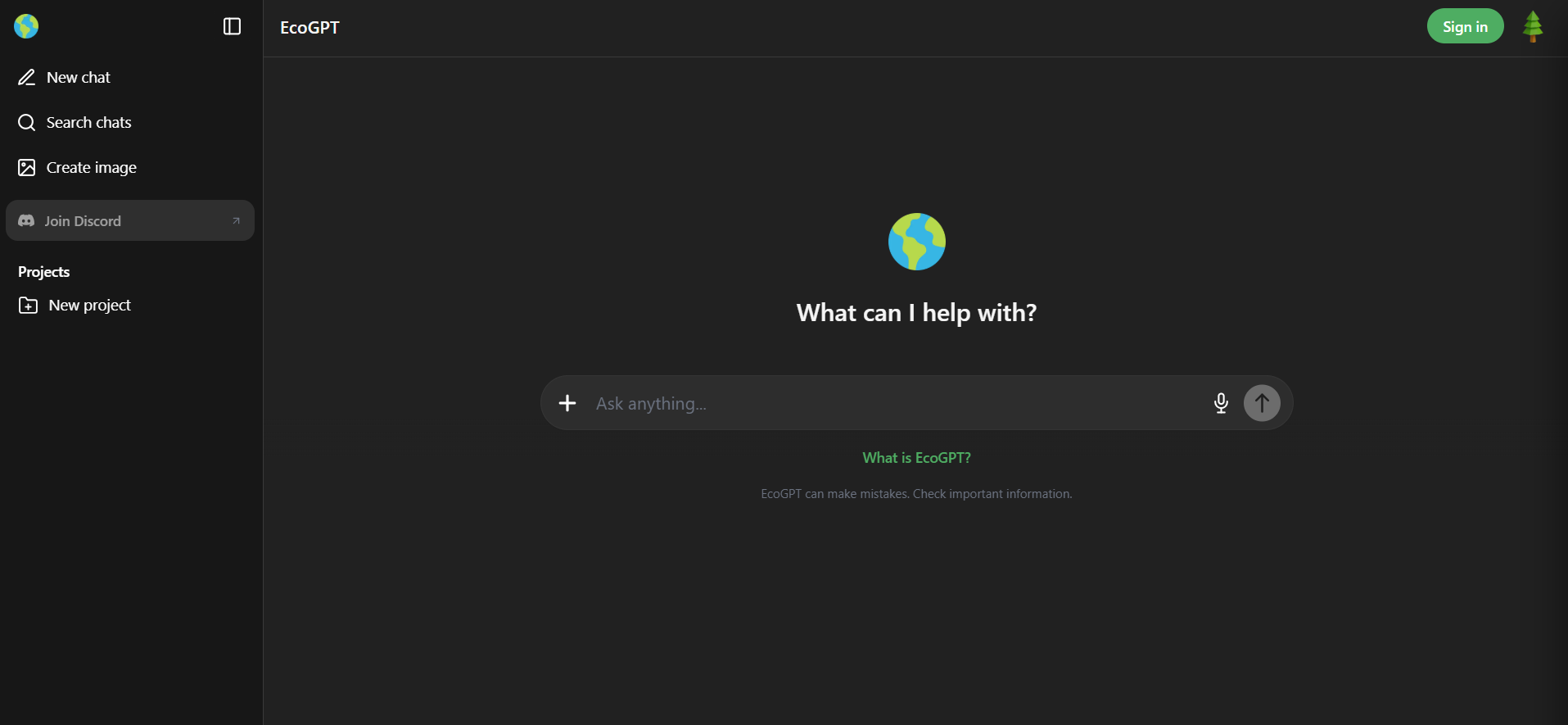
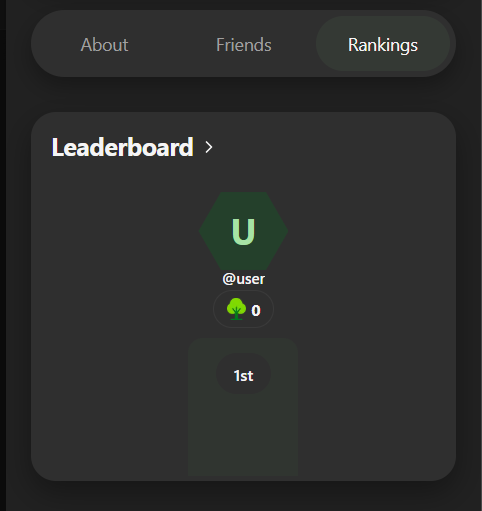
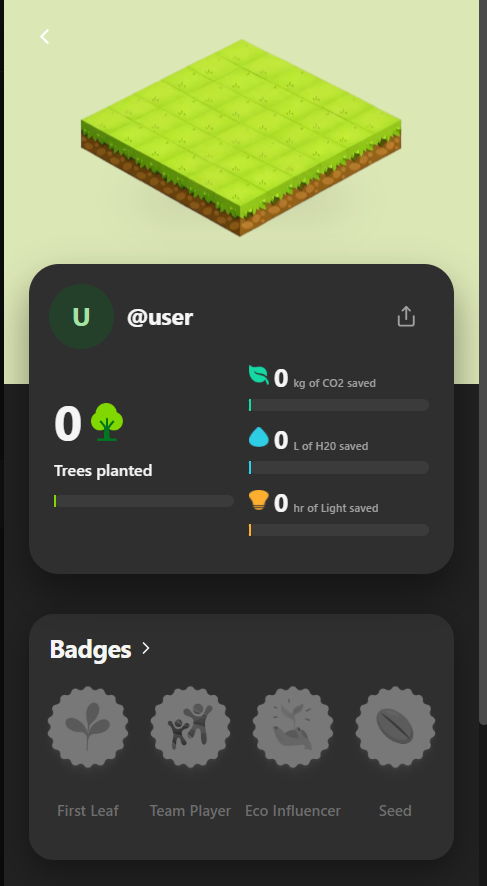
Chatbot působí povědomě. Současná webová aplikace má v postranním panelu New chat, Library, Apps a Scheduled a chatovací pole nabízí vyhledávání na webu, tvorbu obrázků, kvízový režim a nahrávání souborů. S bezplatným účtem můžete také publikovat jednoduché weby, mluvit s EcoGPT hlasem a přepisovat nahrávky. Stránka Apps propojí účty jako Google, Microsoft, Slack, Notion, GitHub, Linear a Canva. Váš „les“ je navázaný na účet: po přihlášení vám EcoGPT ukáže stromy, které vaše chaty financovaly. Když jsme aplikaci v květnu 2026 testovali, měla také žebříček a odznaky.
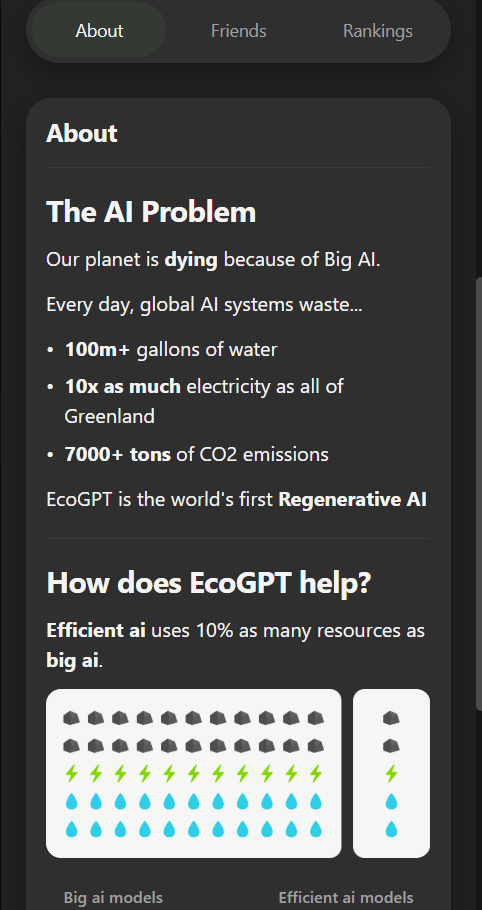
EcoGPT se od ChatGPT, Gemini nebo Claude liší volbou modelů a dárcovskou vrstvou. Místo velkých špičkových modelů podle svých slov používá „malé, efektivní open-source modely s nejméně 10× menším počtem aktivních parametrů než přední AI firmy“. Hostuje je v datových centrech „s nízkou až nulovou uhlíkovou stopou, obnovitelnou energií a chlazením mořskou vodou“, jak uvádí jeho stránka „About“.

Jak EcoGPT funguje?
EcoGPT funguje ve třech krocích: váš prompt jde do open-source modelu na vlastních serverech EcoGPT, vrátí se odpověď a vaše používání se započítá do financovaných stromů.
- Napíšete prompt do EcoGPT na webu ecogpt.com nebo v aplikaci pro iOS či Android. Na začátek nepotřebujete účet.
- Prompt jde do hlavního nasazení modelů EcoGPT, které jeho seznam zpracovatelů umisťuje do Google Cloudu, regionu europe-north1 ve finské Hamině. Když toto nasazení není dostupné, EcoGPT pošle váš prompt a související obsah konverzace přes OpenRouter jiným poskytovatelům modelů. Které modely používá, EcoGPT neuvádí. Naše recenze z května 2026 popisovala, že běží na čipech LPU od Groq; v současném seznamu zpracovatelů EcoGPT se Groq nevyskytuje.
- EcoGPT počítá vaše prompty do stromů, podle webu 200 promptů na strom, a výsadbu financuje přes Trees for the Future.
EcoGPT zveřejňuje certifikáty o výsadbě na stránce „About“ a na stránce se stromy. K 1. 10. 2026 stránka se stromy ukazovala 263 386 financovaných stromů, tedy 53 % z cíle 500 000 stromů do roku 2027. Certifikáty nesou data 31. května, 9. července, 13. července, 6. srpna a 7. září 2026.
EcoGPT dává také sliby k ochraně soukromí, které jsou pro jeho fungování podstatné: podle svých slov upřednostňuje poskytovatele modelů bez uchovávání dat a vaše konverzace nikdy nepoužívá k trénování základních modelů. Své ekologické metriky slibuje zveřejnit „brzy“; k 1. 10. 2026 nezveřejnil žádné.
Je EcoGPT důvěryhodný?
Ano, EcoGPT je důvěryhodný. Stojí za ním registrovaná firma se známým zakladatelem, právní formou s veřejně prospěšným posláním, skutečným partnerem pro výsadbu a řadou datovaných certifikátů. Jediný jmenovaný partner, Trees for the Future, je zavedená nezisková organizace, která provozuje agrolesnické programy s drobnými zemědělci. EcoGPT uvádí, že s ní spolupracuje přímo v Keni, Tanzanii a Ugandě a podporuje přes 230 zemědělských rodin. Slib výsadby se tak dá ověřit, což u marketingu typu „sázíme stromy“ bývá vzácnost.
Obchody s aplikacemi to potvrzují. V App Storu od Applu má aplikace od EcoGPT, Inc. 4,8 hvězdičky z 8 403 hodnocení, naposledy aktualizovaná 27. 9. 2026. Na Google Play má 4,9 hvězdičky z 10 327 hodnocení a přes 1 milion stažení, což odpovídá tvrzení EcoGPT, že ho používá „přes milion lidí“.
„Důvěryhodný“ ale neznamená „špičkový“. EcoGPT nepoužívá nejlepší modely OpenAI, Anthropicu ani Googlu. Používá malé open-source modely, které běžné úkoly zvládají dobře, ale zaostávají u náročného uvažování, dlouhých dokumentů a složitějšího programování. Pokud denně používáte nejnovější ChatGPT nebo Claude, u těžkých otázek rozdíl poznáte. A „důvěryhodný“ není totéž co „soukromý“: bezplatné tarify obsahují reklamy, jak popisuje další část.
Je EcoGPT bezpečný? Reklamy a vaše data
EcoGPT je bezpečný v běžném smyslu: není to malware ani podvod. Háček v oblasti soukromí jsou reklamy. Bezplatné tarify Anonymous a Member zobrazují sponzorované návrhy. Vlastní seznam zpracovatelů EcoGPT, naposledy aktualizovaný 30. 9. 2026, uvádí, že každý ze čtyř reklamních partnerů, Gravity, Imprezia, Velocity a Koah, „dostává poslední zprávy, případně aktuální prompt a odpověď, aby vybral, co zobrazit“.
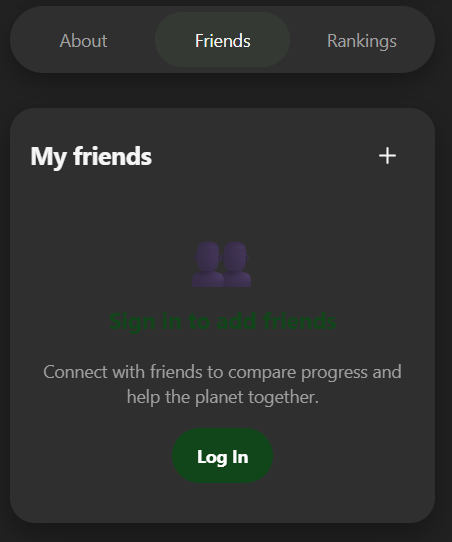
Tito partneři dostávají i technické identifikátory. Všichni čtyři získají vaši IP adresu a user agent. Gravity navíc dostává pseudonymní identifikátor uživatele a konverzace a, pokud je to nastavené, hashovanou e-mailovou adresu, a Velocity na Androidu dostává reklamní identifikátor. EcoGPT sponzorované návrhy tam, kde se objeví, označuje. EcoGPT Pro nemá reklamy, takže zaplatit je způsob, jak udržet vaše zprávy mimo reklamní partnery.
Zbytek seznamu je u chatbota standardní. Deepgram zajišťuje převod řeči na text, Speechify a Cartesia mluvené odpovědi, Firecrawl a Jina čtení odkazů a vyhledávání na webu. Cloudflare aplikaci hostuje, PlanetScale provozuje databázi a Stripe, Apple a Google Play vybírají platby. Co byste nevložili do aplikace placené reklamou, nevkládejte ani do bezplatné verze EcoGPT. Náš průvodce nejekologičtější AI nabízí zelenější možnosti s jiným přístupem k soukromí.
Cena EcoGPT: zdarma, nebo Pro
EcoGPT můžete používat zdarma, se dvěma bezplatnými tarify a jedním placeným, jak uvádí jeho stránka s tarify (naposledy aktualizovaná 21. 9. 2026). Denní limity se obnovují o půlnoci UTC, týdenní limity obrázků v pondělí o půlnoci UTC.
Anonymous (zdarma, bez účtu)
Anonymous umožňuje používat EcoGPT bez registrace, s až 60 zprávami denně a 15 vyhledáváními na webu denně. K tomu máte 2 vytvoření a 2 úpravy obrázku týdně a 5 nahraných souborů denně se 100 MB úložiště. Web si můžete vytvořit a prohlédnout, k jeho zveřejnění ale potřebujete účet, stejně jako pro hlas a paměť.
Member (bezplatný účet)
Member je bezplatný účet EcoGPT s až 500 zprávami denně a bez denního limitu vyhledávání. Obsahuje 10 vytvoření a 10 úprav obrázku týdně a 50 nahraných souborů denně s 20 GB úložiště. Dostanete také 60 minut přepisu měsíčně a jeden zveřejněný web. Živý hlas začíná na 6 minutách a pak se každých 24 hodin doplňuje až o 3 minuty. Member zobrazuje reklamy mezi chaty.
Pro ($10 měsíčně)
EcoGPT Pro stojí $10.00 měsíčně na webu ve Spojených státech; ceny se liší podle regionu a při platbě uvidíte konečnou cenu pro svou zemi. Pro nabízí neomezené zprávy (s limity požadavků) a 100 vytvoření a 100 úprav obrázku týdně. Přidává 200 nahraných souborů denně se 100 GB úložiště, 5 hodin živého hlasu a 10 hodin přepisu měsíčně a až 10 zveřejněných webů. Pro je bez reklam. Roční cenu EcoGPT nezveřejňuje.
Pro srovnání: ChatGPT Plus stojí $20 měsíčně a reklamy zobrazuje i bezplatná verze ChatGPT a tarif Go za $8 (vše podrobně v našem průvodci cenami ChatGPT). EcoGPT Pro stojí polovinu ChatGPT Plus. Další zelenou možnost představuje naše recenze GreenPT: chatbot zaměřený na soukromí, postavený na lehčích a energeticky úspornějších modelech.
EcoGPT vs. ChatGPT: srovnání
EcoGPT neodpovídá na těžké otázky lépe než ChatGPT, ale přechod na placený tarif je levnější a financuje stromy. Takhle si bezplatné a placené tarify stojí k 1. 10. 2026.
| Funkce | EcoGPT Member (zdarma) | EcoGPT Pro | ChatGPT Free | ChatGPT Plus |
|---|---|---|---|---|
| Cena | $0 | $10 / měsíc (web v USA) | $0 | $20 / měsíc |
| Modely | Malé open-source modely (nejmenované) | Malé open-source modely (nejmenované) | Lehčí model OpenAI | Vlajkový chatovací model OpenAI |
| Zprávy | 500 / den | Neomezené (s limity požadavků) | Neomezené textové chaty s lehčím modelem | Vyšší limity |
| Reklamy | Ano, mezi chaty | Ne | Ano, na podporovaných trzích | Ne |
| Tvorba obrázků | 10 / týden, plus 10 úprav | 100 / týden, plus 100 úprav | Omezená | Ano |
| Vyhledávání na webu | Ano, bez denního limitu | Ano, bez denního limitu | Ano | Ano |
| Paměť | Ano | Ano | Ano | Ano |
| Financované stromy | 1 za 200 promptů (údaj z webu) | Dvakrát rychleji než zdarma | Žádné | Žádné |
| Aplikace pro Mac | Ne (jen web) | Ne (jen web) | Ano | Ano |
| Špičkové uvažování | Ne | Ne | Střední | Silné |
Kde vítězí EcoGPT: bezplatný tarif Member je s 500 zprávami denně štědrý, Pro stojí polovinu ChatGPT Plus a každý prompt se počítá do stromů.
Kde vítězí ChatGPT: kvalita modelu u náročného uvažování, vícekrokového programování, dlouhých dokumentů a kvality obrázků, navíc nativní aplikace pro Mac. Vlajkové modely OpenAI hrají jinou ligu než malé open-source modely EcoGPT.
Pokud hlavně píšete, hledáte nápady, shrnujete a ptáte se na běžné věci, EcoGPT to zvládne. Pokud na AI spoléháte u uvažování na úrovni výzkumu nebo u vážného programování, ChatGPT Plus nebo Claude (viz náš přehled cen Claude) budou pořád lepší.
Jak EcoGPT sází stromy: výpočet
Web EcoGPT uvádí, že financuje 1 strom za každých 200 promptů, s EcoGPT Pro dvakrát rychleji. Pro uživatele Pro to vychází na 1 strom za 100 promptů. Záznam v App Storu stále tvrdí, že „každých 100 chatů pomáhá zasadit jeden skutečný strom“, a profil na X uvádí „100 chatů = 1 strom“. Web je podrobnější a novější zdroj, takže jako pracovní číslo berte 200 promptů na strom v bezplatných tarifech, dokud EcoGPT oba údaje nesjednotí. Tak či tak váš 200. prompt nezasadí konkrétní sazenici: EcoGPT platí partnerovi, který sází ve velkém.
Tím partnerem je Trees for the Future, nezisková organizace, která provozuje agrolesnické programy s drobnými zemědělci v subsaharské Africe. EcoGPT uvádí, že s ní spolupracuje přímo v Keni, Tanzanii a Ugandě a podporuje přes 230 zemědělských rodin. Naše recenze z května 2026 jmenovala jako partnery také One Tree Planted a American Forests; současné stránky EcoGPT uvádějí jen Trees for the Future.
Počet rychle roste. Naše recenze z května 2026 zaznamenala přes 16 000 financovaných stromů; 1. 10. 2026 ukazuje stránka se stromy 263 386. Jedno nedávné hodnocení v App Storu žádá větší transparentnost ohledně toho, „kde se stromy sázejí“, a právem: certifikáty ukazují data a součty, ne místa výsadby.
Spotřebuje EcoGPT méně vody?
Pravděpodobně ano, ale EcoGPT nezveřejňuje žádný údaj o vodě, takže nikdo neumí říct, o kolik méně. Pro to mluví konstrukce: malé modely potřebují na odpověď méně výpočtů a EcoGPT uvádí, že jeho servery ve Finsku chladí mořská voda a běží z 98 % na bezuhlíkovou energii. Opatrnost je na místě proto, že EcoGPT slíbil zveřejnit metriky „brzy“ a zatím to neudělal. Záložní cesta přes OpenRouter navíc posílá část promptů jiným poskytovatelům, jejichž stopu nevykazuje.
Někteří uživatelé App Storu označují EcoGPT za greenwashing; jedno hodnocení si stěžuje, že „pořád spotřebovávají vodu“. To dělá každý chatbot. Smysluplné je srovnání na jednu odpověď a velcí poskytovatelé, kteří údaj zveřejňují, jsou pod jedním mililitrem. Google uvádí 0,26 ml pro mediánový textový prompt v Gemini. Šéf OpenAI Sam Altman odhadl průměrný dotaz na ChatGPT na zhruba 0,000085 galonu, tedy asi 0,32 ml. Náš rozbor spotřeby vody a energie ChatGPT vysvětluje, odkud toto číslo pochází.
Kde EcoGPT zaostává
EcoGPT je dobrý produkt se čtyřmi slabinami, o kterých byste měli vědět, než se na něj spolehnete nebo zaplatíte Pro.
Zaprvé je rozdíl v kvalitě modelů skutečný. Malé open-source modely na každodenní úkoly stačí, ale špičkové nejsou. Pokud jste zvyklí na nejlepší modely ChatGPT, Claude nebo Gemini, odpovědi EcoGPT vám přijdou kratší, méně pečlivé u okrajových případů a slabší ve vícekrokovém uvažování. Studentům, příležitostným pisatelům a při hledání nápadů to nejspíš vadit nebude. Programátorům a výzkumníkům ano.
Zadruhé bezplatné tarify se platí reklamami a reklamní partneři vidí vaše poslední zprávy. To je větší kompromis než limit zpráv, který je s 500 denně pro Member štědrý.
Zatřetí generování obrázků nedosahuje úrovně specializovaných obrazových modelů. Jedno nedávné pětihvězdičkové hodnocení píše, že je „u některých věcí velmi realistické, ale ne na skutečná loga nebo konkrétní reálné předměty“. Pokud jsou obrázky důvodem k placení, Nano Banana nebo GPT Image (viz naše srovnání Nano Banana Pro a GPT Image 1.5) jsou výrazně silnější.
Začtvrté EcoGPT není ve vlastních číslech konzistentní: 200 promptů na strom na webu, 100 v záznamu aplikace a ekologické metriky slíbené, ale zatím nezveřejněné. Nic z toho z něj nedělá podvod, ale jeho dopad se ověřuje hůř, než naznačuje marketing.
Co říkají uživatelé
Posledních 50 hodnocení EcoGPT v americkém App Storu, přečtených 1. 10. 2026, tvoří 43 pětihvězdičkových, 2 čtyřhvězdičková, 1 tříhvězdičkové, 1 dvouhvězdičkové a 3 jednohvězdičková. Opakujícím se motivem je úleva, že AI lze používat bez výčitek. Jedno hodnocení (Lev F., září 2026) píše, že díky aplikaci má člověk „MILIONKRÁT menší výčitky z používání AI“. Jiné (23 Emma, září 2026) uvádí: „Pomáhá mi učit se mnohem víc než jiné věci, protože všechno vysvětluje mnohem lépe.“
Kritická hodnocení se dělí do dvou skupin. Některá zpochybňují samotný ekologický slib: jednohvězdičkové hodnocení s nadpisem „GREENWASHING“ tvrdí, že EcoGPT sice sází stromy, ale plýtvá mořskou vodou. Jiná se týkají kvality. Tříhvězdičkové hodnocení (Yurimaster23317, září 2026) popisuje, že EcoGPT začal opakovat věci z dřívějších chatů, „aniž by vůbec odpověděl na položenou otázku“. V dalším, dvouhvězdičkovém, nešlo v aplikaci pro iPhone založit účet přes e-mail.
Pohrdavý názor, na který narazíte v komentářích, zní „EcoGPT je jen ChatGPT zabalený do zeleného marketingu.“ To není přesné. EcoGPT nepoužívá modely OpenAI; provozuje open-source modely na vlastním nasazení v Google Cloudu. O tom, jak štědrý je jeho výpočet stromů, se dá diskutovat, ale „obal na ChatGPT“ je chybný popis.
Vyplatí se EcoGPT používat?
EcoGPT dává smysl pro tři typy uživatelů:
Pro ekologicky smýšlející uživatele, kteří chtějí AI používat, ale trápí je její spotřeba vody a energie. Ta spotřeba je skutečná: šéf OpenAI Sam Altman odhadl průměrný dotaz na ChatGPT na zhruba 0,34 Wh elektřiny a 0,32 ml vody. Podrobnosti najdete v našem rozboru spotřeby vody a energie ChatGPT, v našem průvodci spotřebou vody u AI, který pokrývá Gemini, Claude a uvažovací modely, a v našem kompletním přehledu spotřeby energie u AI.
Pro příležitostné uživatele, kteří píšou, hledají nápady, shrnují a ptají se na běžné věci. Na to 500 bezplatných zpráv denně s malými open-source modely bohatě stačí a počítadlo stromů opravdu motivuje.
Pro ty, kdo hledí na cenu a chtějí za $10 měsíčně asistenta bez reklam s neomezenými zprávami, 100 obrázky týdně a hlasem, za polovinu ceny ChatGPT Plus.
Pro tři jiné skupiny je EcoGPT špatná volba:
Kdo jako výzkumník, programátor nebo znalostní pracovník potřebuje špičkové uvažování, rychle narazí na rozdíl v kvalitě. Zůstaňte u ChatGPT Plus, Claude nebo Gemini.
Kdo chce bezplatnou verzi používat na soukromé věci, třeba pracovní dokumenty, zdravotní otázky nebo cokoli osobního, by měl pamatovat, že reklamní partneři bezplatné verze dostávají poslední zprávy.
Kdo se zaměřuje hlavně na obrázky, zjistí, že výstupy EcoGPT zaostávají za specializovanými generátory obrázků.
Pokud na Macu používáte více AI modelů
EcoGPT je aplikace jednoho poskytovatele a nemá aplikaci pro Mac. Nepomůže vám, pokud už platíte dvě nebo tři AI předplatná a chcete je mít na jednom místě. Fello AI se k tomu hodí lépe. Jedno předplatné za $9.99 měsíčně vám dá ChatGPT, Claude, Gemini, Grok a DeepSeek v jedné nativní aplikaci pro Mac, iPhone a iPad, s bezplatnou verzí na vyzkoušení. Celý výběr najdete v našem přehledu nejlepších alternativ k ChatGPT pro Mac. Pokud chcete chatbota s více modely postaveného kolem ekologie, naše recenze Viro AI představuje bezplatnou aplikaci, která při chatování financuje čistou energii.
Závěr
EcoGPT je skutečný, fungující AI chatbot se skutečným programem výsadby stromů. Přes Trees for the Future financoval 263 386 stromů, má přes 1 milion stažení a silná hodnocení v obou obchodech. Pokud AI denně používáte na psaní, učení a hledání nápadů a záleží vám na stopě tohoto zvyku, EcoGPT stojí za instalaci. Zaplaťte $10 měsíčně za Pro, pokud chcete neomezené zprávy a, což je stejně důležité, žádné reklamní partnery, kteří čtou vaše chaty. Přehled celého pole nabízí náš průvodce nejekologičtější AI. A pokud chcete zezelenat spíš vyhledávání než chat, vyhledávač OceanHero uplatňuje stejný nápad na plasty v oceánu místo stromů.
EcoGPT není špičkový model. Pokud potřebujete prvotřídní uvažování, vážnou pomoc s programováním nebo nejlepší generování obrázků, poslouží vám lépe ChatGPT Plus, Claude nebo aplikace s více modely. Na rovinu: EcoGPT je dobrá výchozí volba pro snadných 80 % každodenního používání AI, doplněná špičkovým modelem, když to práce vyžaduje. Pokud chcete místo chatbota zelenější vyhledávání, nejbližší obdobou je zelené AI vyhledávání Ecosia.
Časté dotazy
Je EcoGPT důvěryhodný?
Ano. EcoGPT vyvíjí EcoGPT, Inc., delawarská Public Benefit Corporation. V App Storu má 4,8 hvězdičky z 8 403 hodnocení, na Google Play přes 1 milion stažení a jeho stránka se stromy ukazuje 263 386 stromů financovaných přes organizaci Trees for the Future, s datovanými certifikáty.
Je EcoGPT zdarma?
Ano. Bez účtu můžete EcoGPT používat až na 60 zpráv denně, s bezplatným účtem až na 500 denně. Oba bezplatné tarify zobrazují reklamy. EcoGPT Pro stojí $10 měsíčně na webu v USA, přidává neomezené zprávy, více obrázků a hlas a odstraňuje reklamy.
Používá EcoGPT na pozadí ChatGPT?
Ne. EcoGPT používá malé open-source modely, které nejmenuje, na vlastním nasazení v Google Cloudu ve Finsku. Když toto nasazení není dostupné, posílá prompty přes OpenRouter jiným poskytovatelům modelů. Modely GPT od OpenAI jako hlavní systém nepoužívá.
Je EcoGPT lepší než ChatGPT?
EcoGPT vyhrává cenou a přínosem pro přírodu: Pro stojí $10 měsíčně oproti $20 za ChatGPT Plus a každý prompt se počítá do stromů. ChatGPT vyhrává kvalitou odpovědí, náročným uvažováním, programováním a obrázky a má aplikaci pro Mac.
Komu EcoGPT patří?
EcoGPT patří společnosti EcoGPT, Inc., delawarské Public Benefit Corporation, kterou založil Ethan Leonard. Firma uvádí, že se financuje sama. EcoGPT, Inc. je také prodejcem v App Storu.
Sází EcoGPT opravdu stromy?
Ano. EcoGPT financuje výsadbu přes Trees for the Future v Keni, Tanzanii a Ugandě a zveřejňuje datované certifikáty na stránce se stromy, která 1. 10. 2026 ukazovala 263 386 financovaných stromů. Web uvádí, že 200 promptů financuje jeden strom; záznam v App Storu uvádí 100.
Je používání EcoGPT bezpečné?
EcoGPT je bezpečný v tom smyslu, že jde o skutečnou aplikaci skutečné firmy. V bezplatných tarifech ale jeho čtyři reklamní partneři dostávají vaše poslední zprávy, případně aktuální prompt a odpověď, aby vybrali sponzorované návrhy. EcoGPT Pro nemá reklamy. EcoGPT uvádí, že vaše konverzace nikdy nepoužívá k trénování základních modelů.
Jaký je oficiální web a aplikace EcoGPT?
Oficiální web je ecogpt.com. Aplikace pro iPhone se jmenuje EcoGPT, je od EcoGPT, Inc. a najdete ji v App Storu, aplikace pro Android je na Google Play. Aplikace pro Mac neexistuje. Oficiální účet EcoGPT na X je @ecogptapp.