TL;DR: AI meal planning can cut the time you spend deciding “what’s for dinner” from hours to minutes. By using a dedicated AI meal planner or specific prompts in models like ChatGPT, you can generate personalized weekly menus, organize grocery lists by aisle, and hit specific macro targets. Crucial Step: Always verify nutritional outputs against a trusted database, as AI models can still hallucinate specific calorie counts.
What is an AI meal planner? An AI meal planner is a digital assistant or chatbot workflow that creates custom weekly menus based on your goals and constraints like calories, protein, allergies, budget, and cooking time. Unlike static PDF plans, AI tools can dynamically adjust recipes, generate grocery lists organized by aisle, and help reduce food waste by suggesting meals based on what you already have.
Quick Facts About AI Meal Planning
| Feature | Details |
|---|---|
| Primary Function | Generates weekly menus, recipes, and shopping lists based on dietary rules. |
| Best For | Saving time, reducing food waste, tracking macros, and dietary restrictions (e.g., Keto, Vegan). |
| Accuracy Level | High for meal ideas; Moderate for specific nutrition data (verification required). |
| Cost | Free (ChatGPT/Claude basics) to Paid (specialized apps like Fello AI). |
| Safety | Not medical advice. Verify allergy info and therapeutic diet constraints manually. |
Opening
In 2026, the question isn’t whether you can use AI to plan your meals, but how to do it safely and efficiently. Planning a week of healthy eating used to require cookbooks, spreadsheets, and hours of cross-referencing nutrition labels. This complexity is exactly why reports like the HelloFresh State of Home Cooking suggest that while most Americans want to cook more, less than half maintain a consistent meal prep routine.
Today, an AI meal planner acts as a meal-planning assistant that can draft menus and grocery lists, but you still verify nutrition and allergy safety, because AI calorie estimates run low on big portions. Whether you are looking for a dedicated app or want to master how to ask ChatGPT for meal planning prompts, this guide covers the workflows, safety checks, and strategies to win back your time.
The Key Takeaways
- Speed & Personalization: Generate a full 7-day meal plan tailored to your specific taste, allergies, and calorie goals, often in a minute or two.
- Waste Reduction: Specialized prompts can help you cook from ingredients you already have. The USDA estimates the average family of four loses $1,500 annually to uneaten food. AI can help reclaim that budget.
- Verification is Key: AI is a powerful drafting tool, but it is not a doctor. You must verify nutritional data and allergy safety.
- The Hybrid Approach: The best results often come from combining the creative power of an LLM with structured data. You can even use AI to supercharge Excel for tracking your progress.
- Context Matters: Multimodal AI (image + text) lets you snap a photo of your fridge and ask for recipes. Tools across major model ecosystems (like GPT-5 and Gemini) now support this visual understanding.
How to Use an AI Meal Planner
The most effective way to use AI for nutrition is to move beyond generic requests like “give me a meal plan.” To get a result you can actually cook, you need a structured workflow.
The 3 Step AI Workflow
- Define Constraints: Explicitly list calories, macros, excluded ingredients, and cooking time limits.
- Request Format: Ask for the output in a table (Day, Meal, Calories, Ingredients).
- Iterate & Verify: Swap out meals you dislike and cross-check the nutrition numbers.
Fello Tip for Mac Users If you are using Fello AI on your desktop, you can save your specific dietary constraints as a “Persona” or preset. This means you don’t have to re-type “Gluten-free, 1800 calories, high protein” every time you generate a new list.
AI Meal Plan Generator vs General Chatbots
You have two main options in 2026: specialized apps or general large language models (LLMs). Here is how to decide which approach fits your lifestyle.
| Feature | General Chatbot (ChatGPT/Claude) | Dedicated AI Meal Planner App |
|---|---|---|
| Setup Time | Fast (Open and type) | Medium (Profile setup required) |
| Personalization | Infinite (Conversational) | Structured (Checkboxes/Forms) |
| Grocery Lists | Text-based (Requires formatting) | Interactive (Checkable, Exportable) |
| Macro Accuracy | Low to Medium (Needs checking) | Often higher (database-linked) but verify branded entries |
| Cost | Free / Subscription | Subscription |
| Best For | Creative recipes & “Cooking from fridge” | Strict tracking & long-term health goals |
5 Best AI Meal Planning Prompts
To get the best results, copy and paste these prompt templates. We have structured them to reduce “fluff” and maximize utility.
1. The Zero Waste Weekly Plan
“Act as a professional meal planner. Create a 7-day meal plan for a family of 4. We want to reduce food waste, so please ensure ingredients bought for Monday are used in later meals (e.g., if we buy spinach for salad, use the rest for smoothies). Target 2000 calories per adult. Exclude: [Insert Allergens]. Output as a table.”
2. The High Protein Efficiency Plan
“Generate a 3-day meal plan focusing on high protein (30g+ per meal). Total daily calories: 1800. Breakfast needs to be grab-and-go. Dinner must take less than 20 minutes to cook. Include a macro breakdown for each meal.”
3. The Grocery List Generator
“Based on the meal plan above, create a consolidated grocery list. Organize the items by supermarket aisle (Produce, Dairy, Meat, Pantry, Frozen). Include approximate quantities based on standard packaging sizes.”
4. The Cook From Your Fridge Prompt
“I have the following ingredients: [List Ingredients]. Suggest 3 healthy dinner options I can make with these. I have basic pantry staples (oil, spices, flour). Do not suggest recipes requiring a grocery run.”
5. The Macro Checker and Validator
“I am planning to eat [Dish Name] with [Ingredients]. Estimate the protein, carbs, fats, and calories. Then, list one common hidden source of calories in this dish I should watch out for.”
Try this in Fello You can run these prompts across different top-tier AI models inside Fello to see which one gives you the most appetizing recipes, then save the best workflow for next Sunday.
Safety and Accuracy in AI Nutrition
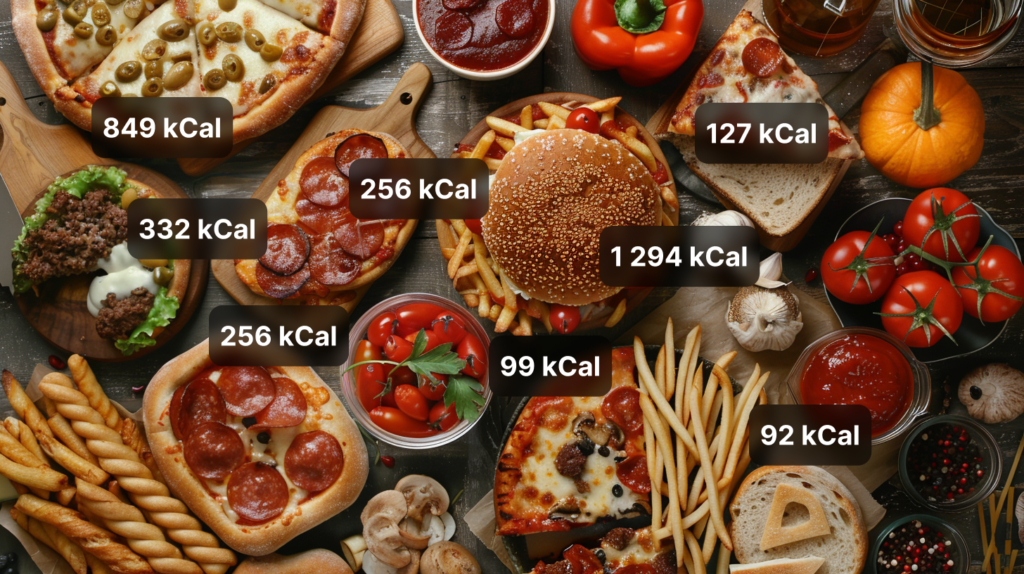
While an AI diet plan is a fantastic starting point, “hallucinations” (confident errors) still occur regarding specific nutrient values, a risk well-documented in medical AI research (JMIR).
Some sources argue that counting calories is bad because it can lead to obsession. If tracking triggers anxiety or disordered eating patterns, consider using AI to generate “balanced meals” without numeric targets.
Verification Checklist
- Cross-Reference: If an AI says a meal has 30g of protein, check the main ingredient against a trusted source like the USDA FoodData Central or a tracker like MyFitnessPal.
- Allergy Warning: AI models may overlook hidden allergens (e.g., suggesting soy sauce for a gluten-free diet). For packaged foods, always rely on the product label (not the model output) to identify major allergens, per FDA guidance.
- Medical Disclaimer: AI is not a dietitian. For therapeutic diets (diabetes, kidney disease, etc.), use AI only to generate ideas, not to calculate medical dosages or strict limits.
Reducing Food Waste with Meal Planning
One of the strongest commercial arguments for using an AI meal plan generator is budget management. By explicitly prompting the AI to “utilize leftovers” or “plan overlapping ingredients,” users report saving significant money on groceries.
The Leftover Logic Strategy
- Audit: Take a photo of your fridge. Fello AI supports vision features that let the AI “see” what you have available.
- Prompt: Ask the AI to prioritize spoiling ingredients for the first 2 days of the plan.
- Freeze: Ask the AI which unused portions of the grocery list should be frozen immediately to avoid spoilage.
Conclusion
Using an AI meal planner effectively is about being the “editor” rather than just the consumer. By using specific prompts, verifying the nutritional data, and leveraging the speed of AI to handle the logistics of grocery lists, you can eat healthier without the stress.
Ready to build your plan? Try these prompts in Fello today to save your preferences and generate your perfect weekly menu in seconds.
FAQ
Are AI meal plans accurate for calories and macros?
AI meal plans are useful drafts, but nutrition values can be inconsistent. Treat outputs as estimates: check calories and macros against reliable databases or apps, especially if you have strict medical requirements.
How do I generate a weekly meal plan with AI?
Give the AI a clear goal (e.g., high-protein), your daily calorie target, number of meals, and foods you dislike. Ask for a 7-day plan in a table format plus a grocery list organized by aisle.
Is it safe to use AI for food allergies?
Use extreme caution. AI can suggest recipes that contain hidden allergens or “may contain” ingredients. Always double-check specific recipes and read the labels on the actual products you buy.
What is the best AI meal planner app?
The “best” app depends on your needs. Specialized apps offer better tracking and database accuracy, while flexible tools like Fello AI allow you to use prompt-based planning to get more creative, chef-like results across multiple models.
Methodology & Sources
Our insights on AI meal planning are derived from testing leading models (GPT-4o, Claude 3.5, Gemini 1.5) and comparing their outputs against standard nutritional databases. We prioritize workflows that align with guidance from reputable nutrition sources.
- USDA FoodData Central: For verifying raw ingredient macros.
- Academy of Nutrition and Dietetics (EatRight.org): For guidelines on safe meal planning structures.
- FDA (Food & Drug Administration): For food allergy labeling and safety standards.