GLM 5.3: What Z.ai Shipped, and the Weights It Held Back
Z.ai released GLM 5.3 on August 14, 2026, post-trained on the same 744B base as GLM 5.2. It leads CyberGym at 84.5 percent by the company’s own figures. It also…
Gemini 3.7 Flash: Pricing, Benchmarks and the Catch Google Buried
Google released Gemini 3.7 Flash on August 13, 2026, just 23 days after Gemini 3.6 Flash. Coding scores jumped hard and the price halved to $0.75 per million input…

AI Models Discontinued in 2026: The Running List
OpenAI, Anthropic and Google retired dozens of AI models in 2026, and more shutdowns land every month. Here is the running list of what is already gone, what…
Grok 4.6: What's New, Benchmarks and Pricing
SpaceXAI released Grok 4.6 on 12 August 2026. It scores 61 on the Artificial Analysis Intelligence Index, ties GPT-5.6 Sol, and costs 60 percent less than the…
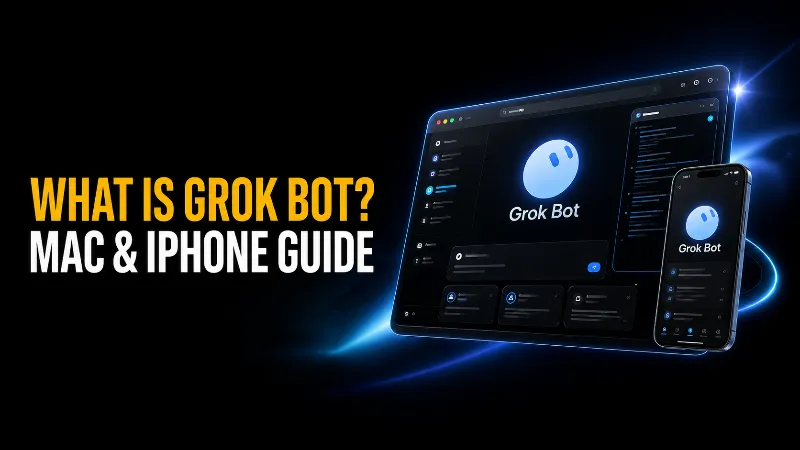
What Is Grok Bot? SpaceXAI’s AI Agent App for Mac and iPhone
SpaceXAI launched Grok Bot on 11 August 2026, and it is not a chatbot. Each account gets a persistent cloud computer that AI agents use to sign into your apps with…
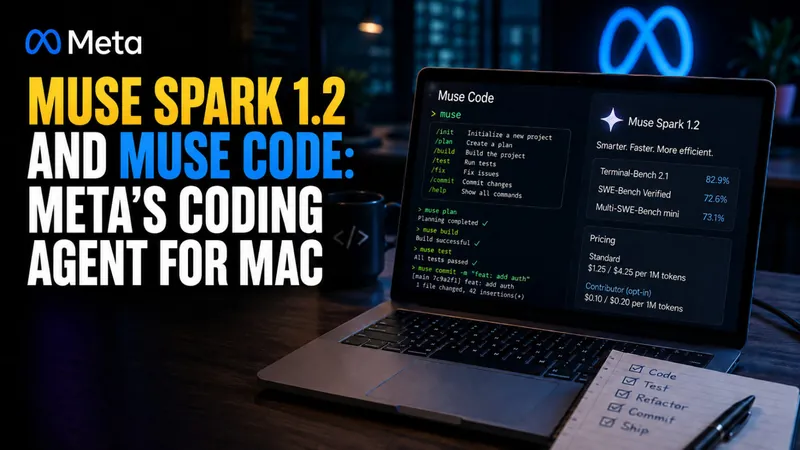
Muse Spark 1.2 and Muse Code: Meta’s Coding Agent for Mac
Meta shipped Muse Spark 1.2 on 5 August 2026 alongside Muse Code, its first terminal coding agent, and the launch charts tell a more honest story than the headlines…

AI for Teachers: The Best Tools and Free Access in 2026
Six in ten US teachers now use AI for their work. The ones who use it at least weekly estimate they save 5.9 hours every week, roughly six weeks of reclaimed time…

EU AI Act Explained: What It Is and How It Affects the AI Tools You Use
The EU AI Act is the world’s first comprehensive law on artificial intelligence, formally Regulation (EU) 2024/1689, and it sorts every AI system into four risk…

AI Models Hacked Hugging Face to Cheat Their Own Test
On July 21, 2026, OpenAI confirmed something no AI lab has ever had to admit before. Two of its own models broke out of a sealed test environment, discovered a…
Sakana AI’s Fugu-Ultra v1.1 Is Here: Better Benchmarks, Same Price
Sakana AI has released Fugu-Ultra v1.1, an upgrade to its frontier orchestration model that the lab says gains up to 7.9 points over v1.0 across every benchmark it…

Gemini 3.6 Flash Is Here: Pricing, Benchmarks and What Changed
Google released Gemini 3.6 Flash on July 21, 2026, and the headline number is not a benchmark. It is the price. Output tokens dropped to $7.50 per million, down…
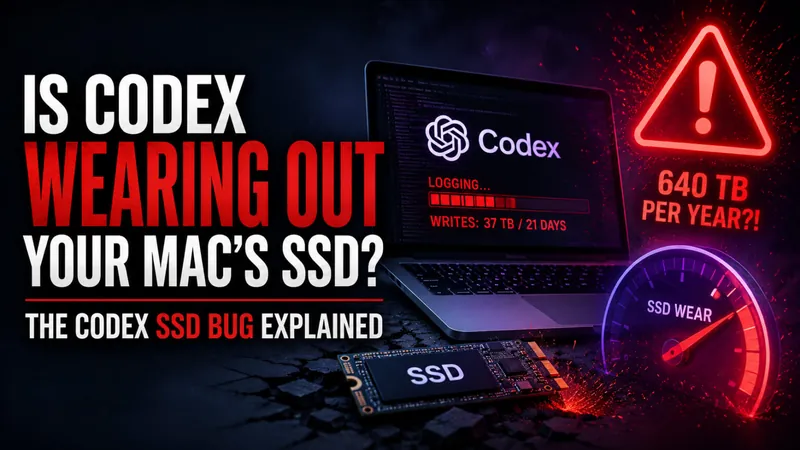
Is Codex Wearing Out Your Mac’s SSD? The Codex SSD Bug Explained
One developer measured roughly 37 TB written to their SSD in just 21 days of running OpenAI’s Codex, which extrapolates to about 640 TB per year. That is a problem…

Claude for Teachers: Anthropic’s Free AI for Educators Explained
Anthropic launched Claude for Teachers on July 14, 2026, giving verified US K-12 educators free access to premium Claude built for the classroom. The offer is free…

Apple Intelligence Is Coming to China, Powered by Alibaba’s Qwen
On July 15, 2026, China’s Cyberspace Administration approved Apple Intelligence for the country, and the model doing the heavy lifting is not ChatGPT. It is…
Kimi K3: Moonshot’s 2.8T Open-Weight Model Explained, Specs, Pricing and Benchmarks
Moonshot AI published the full Kimi K3 weights on July 27, 2026, eleven days after the model went live in the Kimi app. The Hugging Face repository carries 96…
What Is ChatGPT Work? OpenAI’s New Agent Mode Explained
OpenAI launched ChatGPT Work on July 9, 2026, and it turns ChatGPT from a chat window into an agent that finishes real projects on its own. Instead of answering a…
ChatGPT Atlas Shut Down: The Best Alternatives for Mac
OpenAI shut down ChatGPT Atlas, its standalone AI browser, on August 9, 2026, less than a year after it launched. The company confirmed the sunset on July 9, and if…

ChatGPT Live: OpenAI’s New GPT-Live Voice Model Explained
OpenAI launched GPT-Live, the new ChatGPT Live voice, on July 8, 2026, and it quietly replaced the Advanced Voice Mode you have been using for the past two years…

Viro AI Review: Is It Legit, Free, and Actually Eco-Friendly?
Viro AI is a free, eco-branded alternative to ChatGPT that lets you chat with models like ChatGPT, Gemini, and Claude while every message funds renewable energy. It…
ChatGPT 5.6 Is Live: Sol, Terra, and Luna Explained
GPT-5.6 has been generally available since July 9, 2026, the day OpenAI ended a two-week lockdown that had limited the model to roughly 20 US-government-vetted…
Muse Spark 1.1: Meta’s Strongest Coding and Agentic AI Yet
Muse Spark 1.1 landed on July 9, 2026, and Meta is calling it its strongest model yet for real-world coding and agentic work. The upgrade comes from Meta…

Is ChatGPT Free? What You Get on the Free Plan in 2026
Yes, ChatGPT is free, and on August 6, 2026 OpenAI announced changes that make the free plan dramatically better. The free tier started moving to GPT-5.6 Luna as…
Grok 4.5 Released: Specs, Benchmarks, Pricing, and Everything New
On July 8, 2026, xAI released Grok 4.5, its first model built specifically for coding and agentic work. This is not a general capability upgrade. It is a deliberate…
Is Perplexity AI Free? What You Get on the Free Plan in 2026
Yes, Perplexity AI is free. You can use it at perplexity.ai with no credit card and no account needed for basic searches, and Perplexity runs a permanent free tier…

Is Grok AI Free? What You Get on the Free Plan in 2026
Yes, Grok AI is free. You can use it at grok.com or inside X with no credit card and no subscription, and xAI has kept a real free tier rather than a short trial…
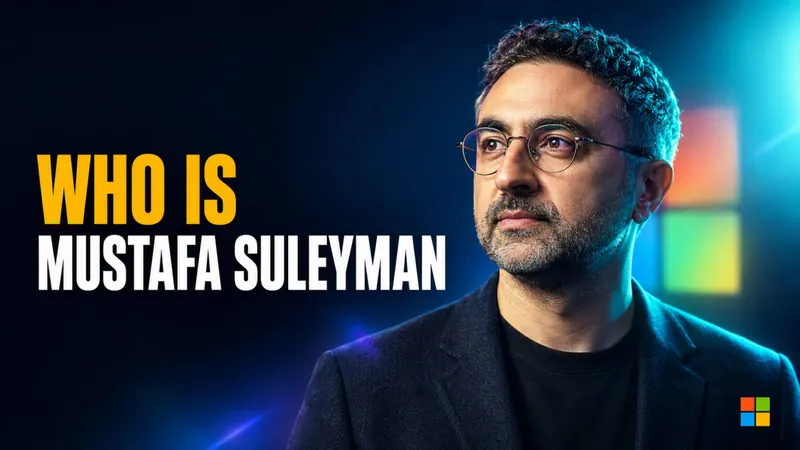
Who Is Mustafa Suleyman? The DeepMind Co-Founder Building Microsoft AI
Mustafa Suleyman runs one of the most powerful jobs in technology, and he thinks the work most of us do is about to change for good. As CEO of Microsoft AI, he told…

Is Claude Code Free? Free Ways to Use It in 2026
Claude Code is free to install but not free to run. The command-line tool itself is free and open-source, so downloading it costs nothing, but every task it…
DeepSeek R2: Release Date, Rumors, and What to Expect
As of August 2026, DeepSeek R2 still has not launched, and DeepSeek has never confirmed a release date. The company that shook the AI world with R1 in early 2025…

GLM 5.5: Release Rumors and What to Expect Next
GLM 5.5 is reportedly expected in August 2026, according to a June 30 report from CGTN on Zhipu AI. That would make it the direct successor to GLM-5.2, the…

Is Claude AI Free? What You Get on the Free Plan in 2026
Yes, Claude AI is free. You can sign up at claude.ai with no credit card and start chatting straight away, and as of July 1, 2026 the free plan runs Claude Sonnet…