
What Is Prompt Injection? The AI Flaw Nobody Has Fixed
Prompt injection explained in plain English. What it is, why it cannot be patched, which AI tools are exposed, and what actually reduces your risk.
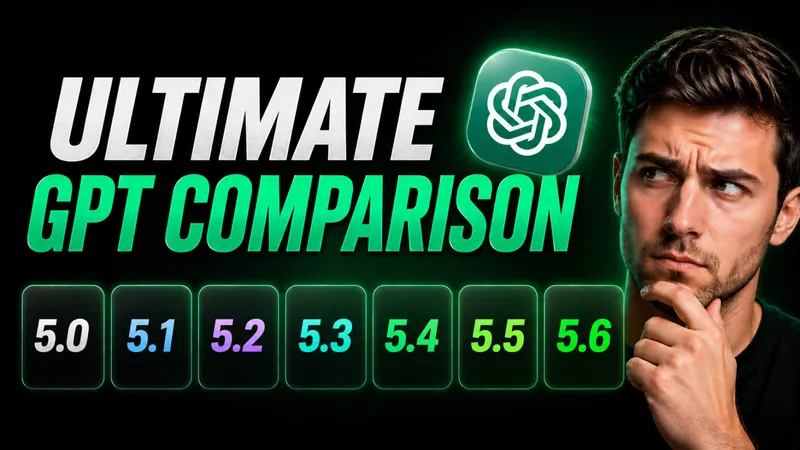
The Ultimate ChatGPT 5 Model Comparison: GPT-5.0 to GPT-5.6
OpenAI made GPT-5.6 public on July 9, 2026, and it is now the most capable ChatGPT model you can actually run. The flagship Sol tier scores 88.8% on Terminal-Bench…
Claude Sonnet 5 Just Launched
On June 30, 2026, Anthropic released Claude Sonnet 5, the newest version of its balanced mid tier model and the most agentic Sonnet the company has ever shipped. It…
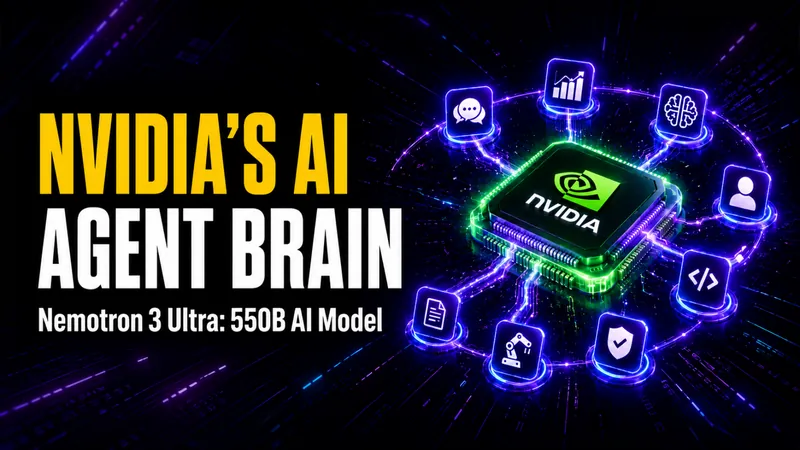
NVIDIA Nemotron 3 Ultra With 550B parameters Just Released
On June 4, 2026, NVIDIA released Nemotron 3 Ultra, a fully open 550 billion parameter reasoning model built specifically for long running agents. According to…
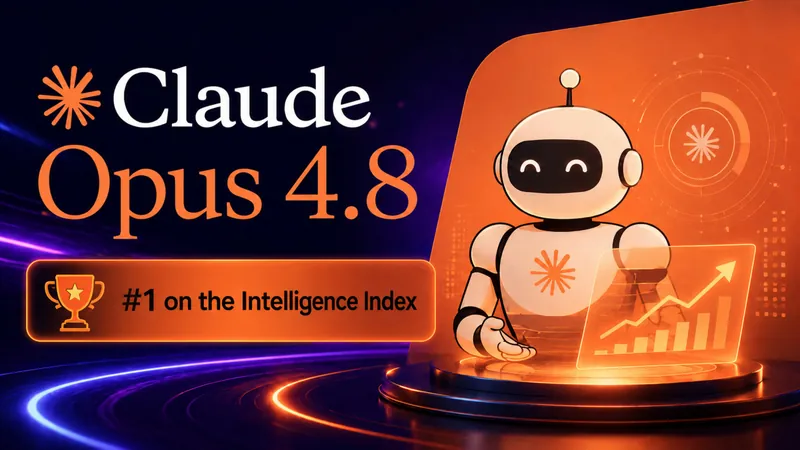
Everything You Need to Know About Anthropic’s Claude Opus 4.8
Claude Opus 4.8 takes the #1 spot on the Artificial Analysis Intelligence Index at 61.4, beating GPT-5.5. Full benchmarks, pricing, and what’s new.
Baidu’s ERNIE 5.1 Just Released
Baidu released ERNIE 5.1 on May 8, 2026, hitting #4 on LMArena Search using only 6% of normal pre-training cost. We cover benchmarks, architecture, agentic…
DeepSeek V4 Released: Everything You Need to Know
DeepSeek released V4-Pro and V4-Flash on April 24, 2026, open-source MoE models with 1M context, new CSA/HCA hybrid attention, and benchmarks rivaling GPT-5.4 and…
GPT-5.5 Released: Everything You Need to Know
Update, July 10, 2026: GPT-5.5 has since been succeeded by GPT-5.6, which reached general availability on July 9, 2026 with the Sol, Terra, and Luna tiers and is…
Hunter Alpha: The Mystery AI Model That Fooled the Entire Tech World Turned Out to Be Xiaomi’s Secret Weapon
A nameless AI model called Hunter Alpha appeared on OpenRouter, topped the leaderboards, and fooled thousands into thinking it was DeepSeek V4. It turned out to be…
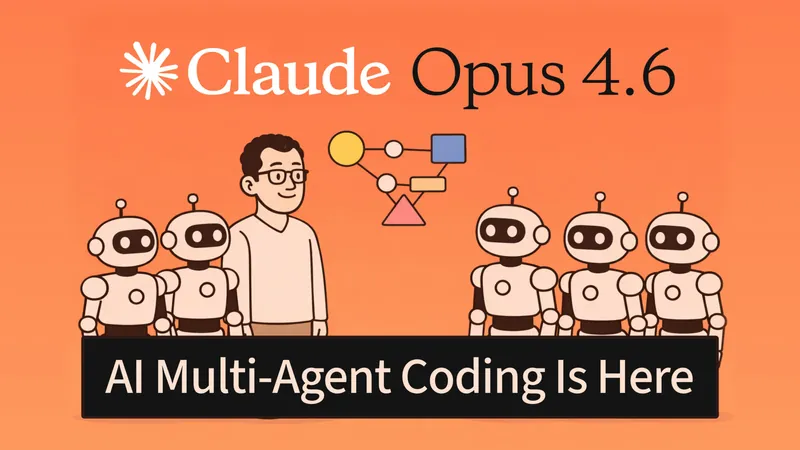
Claude Opus 4.6: Full Breakdown of Anthropic’s New AI Model with 1M Context Window
On February 5, 2026, Anthropic released Claude Opus 4.6, at the time the latest and most capable model in its Claude lineup. Arriving just three months after Opus…
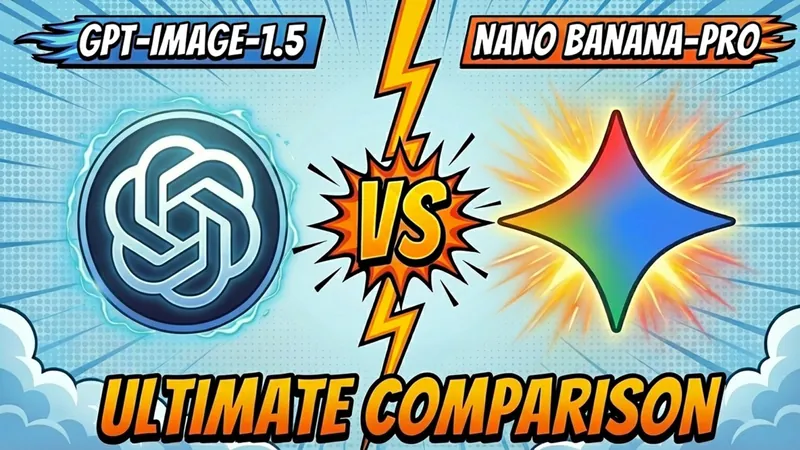
Gemini Nano Banana Pro vs GPT-Image-1.5: Ultimate Comparison
Update, July 2026: both models here have since been succeeded. Google has shipped Nano Banana 2 and Nano Banana 2 Pro, and OpenAI’s GPT Image line now powers…
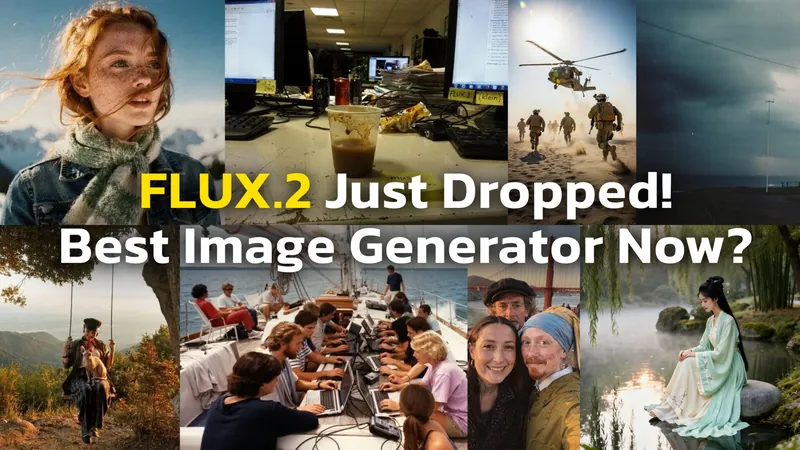
FLUX.2 Arrived — Here’s How It Stacks Up Against Nano Banana, Midjourney & GPT
Today, November 25, 2025, Black Forest Labs released FLUX.2, a new family of image-generation models aimed directly at the high-end creative, marketing, and…
OpenAI just dropped GPT-5.1: faster, smarter, and warmer by design
On Wednesday, November 12, 2025, OpenAI unveiled GPT-5.1, a major mid-cycle upgrade to its flagship ChatGPT models. The update introduces two new variants — GPT-5.1…
Qwen 3 Max AI: All You Need to Know About Alibaba’s 1-Trillion Parameter LLM
Alibaba’s AI stack just crossed a symbolic frontier. On September 5 2025, the company’s cloud division unveiled Qwen-3-Max-Preview (Instruct), a…
China’s Moonshot AI Dropped Kimi K2 (0905) – The Open-Source Model Crushing the Competition
Moonshot AI, Chinese startup backed by Alibaba and Tencent, is rolling out an upgraded version of its open‑weight open-source large language model, Kimi K2. The new…
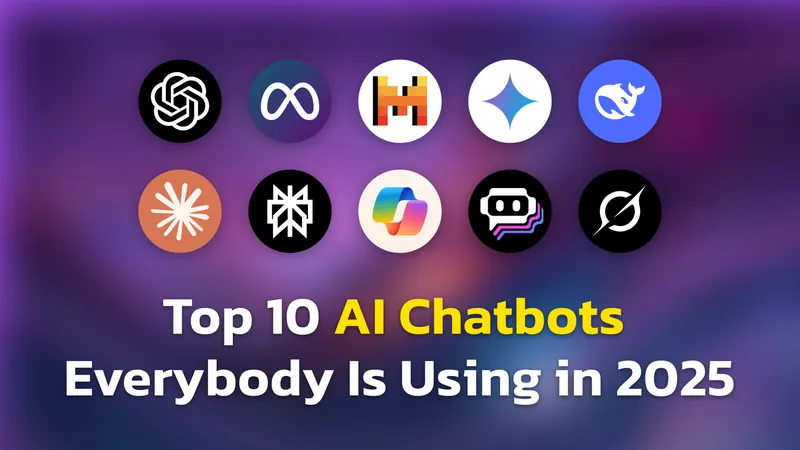
10 Most Popular AI Chatbots In 2025 – Number 10 Will Surprise You!
More and more people are asking the same question – what actually is the best AI chatbot? With new AI models launching constantly and each company claiming theirs…
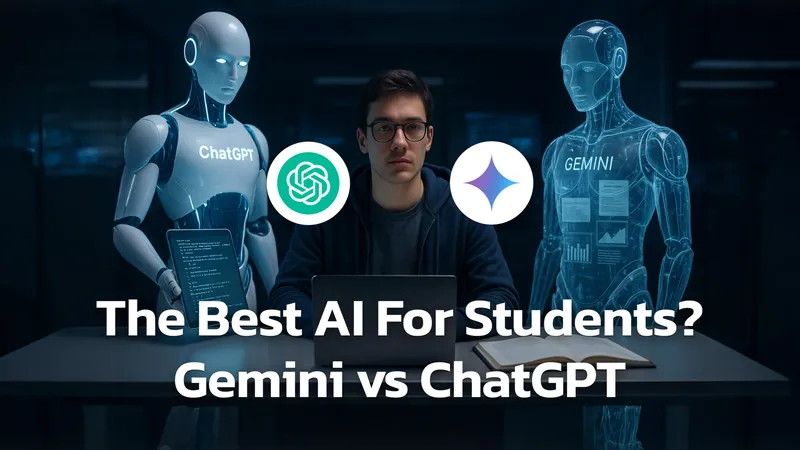
ChatGPT vs Gemini for Students: Which AI Gets Better Grades in 2025?
Getting back to school is challenging every year – juggling new schedules, staying organized with assignments, figuring out which tools will actually help you…
DeepSeek V3.1 Is Here – Chinese Most Advanced Open-Source AI Yet
The open-source AI race just got more interesting. Chinese startup DeepSeek has unveiled DeepSeek-V3.1, its biggest upgrade yet, bringing sharper reasoning…
Google Gemini PRO 1.5: All You Need To Know About This Near Perfect AI Model
Google, the well-known tech giant, has joined the AI race with the introduction of its Gemini AI suite. The Gemini AI suite was officially announced during the…
LLaMA AI by Meta: All You Must Know About the Most Powerful Open-Source AI by Facebook!
Meta’s LLaMA series keeps improving, especially with LLaMA 3.1, the latest version of its large language model. LLaMA 3.1 (Large Language Model Meta AI 3.1)…
Claude AI: Everything You Need to Know in 2026
Claude AI is the family of large language models built by Anthropic, and in 2026 it is one of the two or three most capable AI systems you can actually use. The…